You Won’t Believe What Mendoza’s Streets Are Hiding
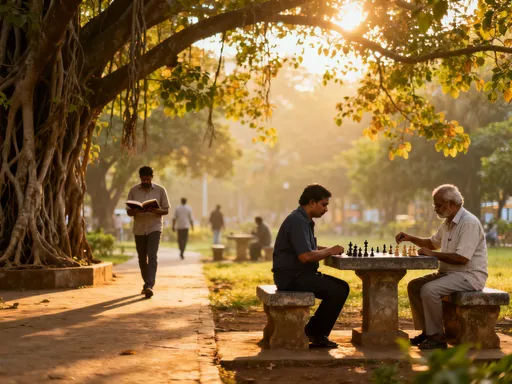
When I stepped into Mendoza’s bustling commercial zones, I expected wine and views—but not *this* kind of energy. Think sun-drenched plazas, vibrant street markets, and shops bursting with local flavor. This city doesn’t just sell goods—it sells moments. From handcrafted leather to empanadas that taste like home, every corner pulses with authenticity. If you're chasing real Argentine life beyond the vineyards, start here. Mendoza’s urban heart beats with a rhythm shaped by Andean winds, immigrant traditions, and a deep appreciation for craftsmanship and connection. It’s a place where commerce isn’t transactional—it’s relational, sensory, and alive.
The Pulse of Mendoza: Where Commerce Meets Culture
Mendoza’s commercial life unfolds like a well-composed melody—each note distinct, yet blending into a harmonious whole. Unlike cities where shopping centers dominate, Mendoza thrives in open air, under the vast Patagonian sky, where commerce and culture intertwine. The city’s urban design, born from reconstruction after the 1930s earthquake, prioritizes pedestrians, plazas, and green corridors. Wide avenues, shaded by native algarrobo and chañar trees, invite strolling, lingering, and spontaneous conversations. This isn’t just a place to buy things—it’s a place to experience Argentine daily life at its most genuine.
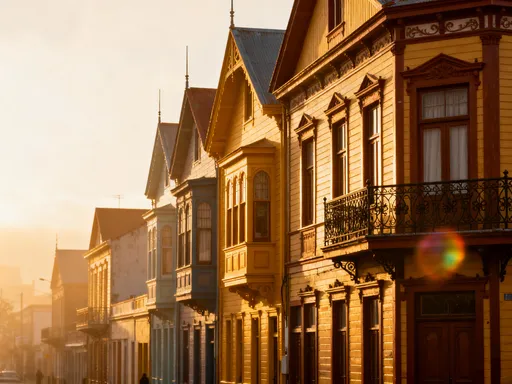
The cultural fabric of Mendoza is woven from diverse threads. The indigenous Huarpé heritage, Spanish colonial roots, and waves of European immigration—particularly from Italy and Spain—have shaped a unique urban identity. This blend is visible in the architecture, cuisine, and the very rhythm of street commerce. Shopfronts display hand-painted signs in cursive script, echoing old-world craftsmanship, while modern boutiques offer sleek interpretations of traditional styles. The pace is relaxed but purposeful, encouraging visitors to slow down and engage rather than rush through checklists.
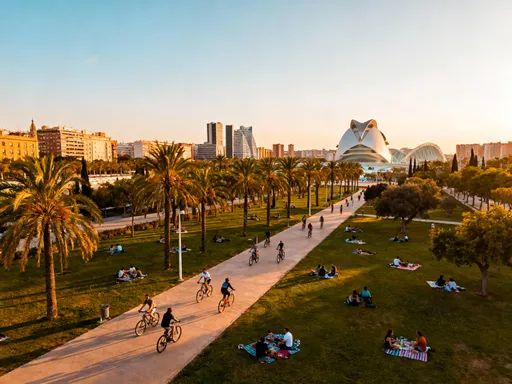
Central plazas like Plaza Independencia serve as social anchors, where locals gather in the late afternoon, children play, and musicians strum folk tunes on guitar. Surrounding these open spaces are clusters of shops, cafés, and kiosks that function as community hubs. The scent of freshly brewed coffee mingles with the aroma of grilled chorizo, while the occasional horse-drawn carriage adds a nostalgic charm. This seamless integration of commerce and community creates an atmosphere that feels both vibrant and deeply human—a rare quality in today’s increasingly homogenized urban landscapes.
What sets Mendoza apart is its ability to balance modernity with tradition. While global brands have a presence, they coexist with family-run businesses that have operated for generations. A shoe repair shop might sit beside a contemporary design studio, each valued for its contribution to the city’s character. This coexistence reflects a broader cultural respect for both innovation and heritage. For the visitor, it means an authentic shopping experience—one where every purchase carries a story, and every interaction feels personal.
Sarmiento Street: The Beating Heart of Downtown
If Mendoza has a commercial spine, it’s Avenida Sarmiento. Stretching through the heart of the city, this broad, tree-lined boulevard is where locals and visitors converge for everything from daily errands to weekend strolls. With its wide sidewalks, orderly storefronts, and consistent canopy of algarrobo trees, Sarmiento offers a pedestrian-friendly environment that’s both safe and inviting. It’s not just a shopping street—it’s a living corridor of urban energy, where the pulse of Mendoza can be felt with every step.
Along Sarmiento, the retail landscape is refreshingly varied. International chains like Zara and Starbucks share space with independent bookstores, artisanal chocolate shops, and boutiques showcasing Argentine designers. This blend ensures that while the street feels cosmopolitan, it never loses its local soul. Fashion stores display seasonal collections influenced by both European trends and regional aesthetics—lightweight woolens for cool Andean evenings, hand-knitted ponchos, and leather accessories crafted from locally tanned hides.
One of Sarmiento’s defining features is its accessibility. Unlike some tourist-heavy zones that feel segregated from daily life, Sarmiento is where porteños go about their routines. You’ll see mothers pushing strollers, office workers grabbing coffee, and retirees browsing newspaper kiosks. This authenticity makes the street particularly appealing to travelers seeking immersion rather than spectacle. The presence of public benches, fountains, and shaded seating areas encourages lingering, turning a simple walk into a full sensory experience.
Safety and cleanliness further enhance the appeal. Mendoza is known for its low crime rates and well-maintained public spaces, and Sarmiento reflects this reputation. Surveillance cameras, regular patrols, and clear signage contribute to a sense of security, especially important for families and older visitors. Street vendors are regulated, ensuring quality and fairness, while waste bins and recycling stations are thoughtfully placed. These small but significant details reflect a city that values both commerce and civic pride.
For tourists, Sarmiento is an ideal starting point. Information kiosks offer maps and event schedules, while multilingual staff can assist with directions and recommendations. Many shops accept credit cards, though carrying some Argentine pesos remains advisable, especially for smaller vendors. Whether you’re searching for a stylish leather bag, a bottle of local Malbec, or simply a quiet café to watch the world go by, Sarmiento delivers with grace and consistency.
Craft Markets and Hidden Gems: Finding Authenticity Off the Main Strip
Beyond the polished storefronts of Sarmiento lies a different kind of commerce—one rooted in craft, tradition, and personal connection. Mendoza’s artisan markets offer a tactile, intimate shopping experience that contrasts beautifully with mainstream retail. These are places where every item has been touched by human hands, where stories are shared over wooden counters, and where the value of a purchase extends far beyond the price tag.
One of the most beloved destinations is the Artesanías de la Patagonia market, located just off Plaza Chile. Here, vendors from across western Argentina display their wares in colorful wooden stalls. Hand-tooled leather goods—wallets, belts, boots—are a specialty, often dyed with natural pigments and stamped with indigenous patterns. Silver jewelry, featuring intricate filigree and semi-precious stones like amethyst and onyx, reflects both Mapuche influences and colonial craftsmanship. Woven textiles, including alpaca-wool scarves and ponchos, are dyed in earthy tones and patterned with symbolic motifs passed down through generations.
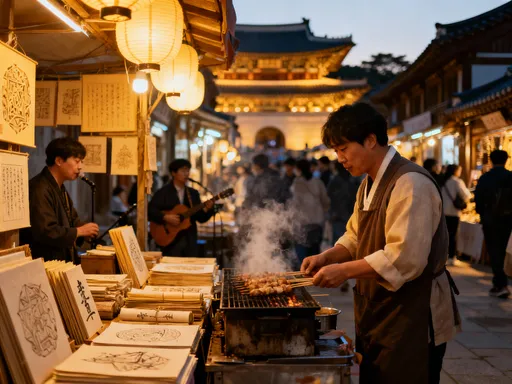
The sensory experience at these markets is unforgettable. The air carries the scent of leather, roasted peanuts, and wood smoke from nearby food stalls. Live folk music—often performed by local trios with guitar, bombo drum, and quena flute—adds a rhythmic backdrop. Children weave through the aisles, clutching cotton candy, while elders haggle gently over prices with knowing smiles. Bargaining is expected and done with good humor; a polite negotiation is seen not as confrontation but as part of the social dance of shopping.
Another gem is the Feria de Antigüedades, held every Sunday in the Parque General San Martín neighborhood. This antique fair attracts collectors and curious browsers alike, offering everything from vintage typewriters and retro sunglasses to mid-century furniture and old Argentine film posters. Each item feels like a discovery, a fragment of history waiting to be adopted. Vendors are often passionate storytellers, eager to explain the provenance of a 1940s radio or a hand-carved gaucho saddle. For those who appreciate the beauty of age and imperfection, this market is a treasure trove.
What makes these markets special is their authenticity. Unlike tourist traps where souvenirs are mass-produced overseas, Mendoza’s craft fairs prioritize local creation. Many artisans live in nearby Andean villages and travel weekly to sell their work. Purchasing from them supports sustainable livelihoods and preserves cultural traditions. For the visitor, it means bringing home more than an object—a piece of Mendoza’s soul, earned through genuine human exchange.
Gourmet Hubs: Where Shopping Meets Tasting
In Mendoza, food is not just sustenance—it’s celebration, memory, and identity. This is especially true in the city’s gourmet markets, where shopping becomes an edible adventure. These culinary hubs go beyond mere transactions; they are stages for sensory immersion, where taste, smell, and conversation converge. For visitors, they offer a direct line to Argentine flavors, prepared with pride and shared with warmth.
Mercado Central, located near the intersection of Chile and San Martín, is the city’s premier food destination. Open daily from early morning until mid-afternoon, it draws both professional chefs and home cooks in search of the freshest ingredients. The market is organized into distinct sections: one for meats, another for produce, and dedicated stalls for cheeses, olives, and baked goods. But what truly sets it apart is the culture of sampling. Vendors encourage visitors to try before they buy—offering small paper cups of dulce de membrillo, slices of provoleta cheese, or warm empanadas fresh from the oven.
Regional specialties abound. Empanadas mendocinas, distinct from other Argentine varieties, are made with a flaky, egg-washed dough and filled with spiced beef, hard-boiled egg, and green olives. Choripán—grilled chorizo served in a crusty roll with chimichurri—can be found at nearly every corner, often paired with a glass of house-made sangria. Dulce de membrillo, a quince paste traditionally served with cheese, is available in both smooth and chunky textures, some infused with cinnamon or orange peel.
Equally important are the stories behind the food. Many vendors are descendants of Italian immigrants who brought their recipes to Argentina generations ago. A woman selling handmade pasta might explain how her nonna taught her to roll dough by hand, or a cheese maker might describe the alpine pastures where his goats graze. These narratives transform a simple purchase into a cultural encounter. For travelers, it’s a chance to connect with Mendoza not just through sightseeing, but through taste.
Seasonal ferias gastronómicas, or food fairs, take this experience further. Held monthly in different neighborhoods, these events spotlight local producers—olive oil makers, honey farmers, craft brewers. Visitors can attend guided tastings, cooking demonstrations, and even workshops on making their own dulce de leche. These events emphasize sustainability, with many vendors using organic practices and biodegradable packaging. For families, they’re both educational and entertaining, offering a joyful way to explore Argentine food culture together.
Shopping with a View: Commercial Life at the Foot of the Andes
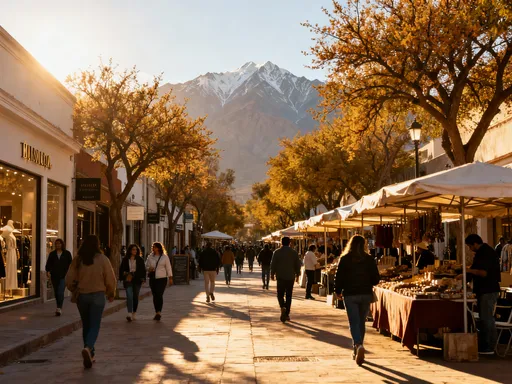
Mendoza’s greatest luxury isn’t found in its boutiques or markets—it’s in its backdrop. The city lies in the shadow of the Andes, and this proximity to one of the world’s most majestic mountain ranges profoundly shapes the shopping experience. Storefronts aren’t just architectural spaces; they’re frames for natural beauty. Whether you’re browsing leather goods in a ground-floor shop or sipping coffee on a rooftop terrace, the snowcapped peaks of the Cordón del Plata are never far from view.
This integration of nature and commerce is intentional. Many modern developments incorporate large windows, outdoor patios, and elevated terraces to maximize the scenery. A boutique hotel on Calle Arístides Villanueva might feature a rooftop lounge where guests sip Malbec as the sun sets behind Aconcagua, the highest peak in the Americas. Even everyday errands feel elevated—buying bread at a corner bakery becomes a moment of pause when you glance up and see the mountains glowing in the morning light.
The climate enhances this experience. Mendoza enjoys over 300 days of sunshine per year, making outdoor shopping not just possible but delightful. Pedestrian plazas are shaded by pergolas draped with flowering vines, while sidewalk cafés offer umbrella-covered seating. The dry, temperate air preserves the freshness of goods, from fruits to textiles, and reduces the discomfort of humidity. For visitors accustomed to air-conditioned malls, this open-air retail culture is a refreshing change.
Several commercial zones are designed specifically to highlight the landscape. The upscale Paseo Alameda, adjacent to the main park, features boutiques with glass walls and terraces that face west, capturing panoramic mountain views. During late afternoon, when the light turns golden, it’s common to see shoppers pausing to take photos or simply stand in quiet appreciation. This harmony between built environment and natural setting creates a sense of serenity that distinguishes Mendoza from other Latin American cities, where urban development often overwhelms geography.
For travelers, this means every shopping moment carries a sense of occasion. A casual stop for coffee becomes a scenic interlude. A visit to a craft market feels like being part of a larger story—one that includes earth, sky, and human creativity. In Mendoza, commerce isn’t separate from nature; it’s enhanced by it.
Practical Tips for Navigating Mendoza’s Commercial Zones
To fully enjoy Mendoza’s vibrant commercial life, a few practical considerations can make a significant difference. Timing, payment methods, and local customs all play a role in shaping a smooth and rewarding experience. With a bit of preparation, visitors can navigate the city’s markets and streets with confidence and ease.
When it comes to timing, weekday mornings are ideal for a relaxed visit. Stores typically open between 9:00 and 10:00 a.m., and foot traffic is lighter before noon. This is especially true for Mercado Central and craft fairs, where vendors are most attentive and produce is at its freshest. Weekends, particularly Saturdays, draw larger crowds, including local families and tour groups. While the energy is lively, popular stalls may have lines, and parking can be limited.
It’s also important to respect the afternoon siesta. Many smaller shops, particularly family-run boutiques and artisan stalls, close between 1:00 and 4:00 p.m. This tradition, though less rigid than in the past, still influences the rhythm of daily life. Planning shopping around this break—either in the morning or late afternoon—ensures access to the full range of offerings. Larger stores and malls may remain open, but the most authentic experiences are often found in independent businesses that observe traditional hours.
Payment methods vary. While credit cards are widely accepted in malls and chain stores, smaller markets and street vendors often prefer cash. Having Argentine pesos on hand—especially in smaller denominations—facilitates smoother transactions. ATMs are readily available in commercial areas, but it’s wise to withdraw cash during business hours. Some travelers opt to carry a mix of cash and cards to stay flexible.
Bargaining is common in artisan markets but not in fixed-price stores. A polite, friendly approach works best—starting with a smile and a compliment to the vendor before discussing price. It’s not about aggressive negotiation but mutual respect. If a vendor quotes 2,000 pesos for a leather belt, offering 1,800 with a friendly laugh is often met with a counteroffer. Walking away is sometimes part of the dance, but most sellers appreciate genuine interest and will meet you halfway.
Transportation is another key consideration. The city center is highly walkable, especially around Sarmiento and San Martín. Bike rentals are available through the municipal Ecobici program, offering an eco-friendly way to explore. Taxis and ride-sharing apps like Uber operate reliably, and designated pickup zones are marked in commercial districts. For those staying outside the center, frequent city buses connect major neighborhoods with downtown, though schedules should be checked in advance.
Why Mendoza’s Commercial Soul Stands Out in Latin America
In an era of globalized retail, where shopping malls and chain stores create a sense of placelessness, Mendoza offers something rare: commercial spaces with soul. Its streets don’t just sell products—they tell stories, foster connections, and celebrate identity. This authenticity is what makes the city’s urban economy stand out across Latin America, not for its scale, but for its depth.
Unlike destinations where tourism has sanitized local culture, Mendoza maintains a balance between welcoming visitors and preserving daily life. You won’t find souvenir shops selling plastic gaucho hats or generic trinkets stamped “Argentina.” Instead, every item—whether a hand-stitched wallet or a jar of mountain honey—carries the mark of care and origin. The vendors are not performers; they are real people with real livelihoods, eager to share their craft with those who take the time to listen.
This human-centered approach creates a shopping experience that is both enriching and emotionally resonant. For the 30- to 55-year-old traveler—often a woman balancing family, work, and personal fulfillment—Mendoza offers a rare opportunity to slow down, engage meaningfully, and return home with more than just souvenirs. She might buy a silver pendant shaped like a Patagonian flower, but what she really takes away is the memory of the artisan’s hands shaping it, her quiet pride, and the warmth of a shared conversation.
Mendoza also stands out for its accessibility and safety. In a region where urban centers can feel overwhelming or intimidating, Mendoza’s open plazas, clean streets, and friendly atmosphere make it particularly welcoming for women traveling alone or with family. The city’s investment in pedestrian infrastructure and public spaces reflects a broader commitment to quality of life—one that benefits both residents and visitors.
Ultimately, Mendoza’s commercial soul is rooted in a philosophy of connection. It invites travelers not to consume, but to participate. To walk slowly. To taste, touch, and talk. To let a city reveal itself not through grand monuments, but through the quiet dignity of a craftsman, the laughter at a food stall, the view of mountains from a quiet bench. In doing so, it offers not just a shopping trip, but a journey into the heart of Argentine life—one that lingers long after the suitcase is unpacked.