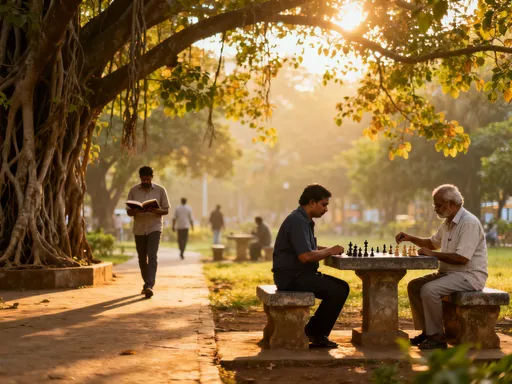
You Won’t Believe These Views in Turku
Turku, Finland, is one of those places you scroll past on Instagram and think, Wait, is that even real? I went last summer with zero expectations—honestly, I just tagged along on a Nordic trip—and got absolutely blown away. From golden-hour riverside walks to fortress views that feel like stepping into a Nordic fairy tale, this city delivers quiet magic at every turn. It’s not flashy, but the way light dances on the Aura River at dusk? Pure visual poetry. There’s a gentleness here, a rhythm that matches the slow lap of water against wooden docks and the soft creak of sailboat masts. Turku doesn’t shout for attention—it whispers, and if you listen closely, you’ll find views so vivid, so unexpectedly moving, they linger in your mind like the last note of a favorite song.
Why Turku Deserves a Spot on Your Nordic Itinerary
Turku holds a quiet distinction: it is Finland’s oldest city and once served as the country’s capital. Nestled where the Aura River meets the Archipelago Sea, its location has shaped centuries of trade, culture, and daily life. Unlike the more internationally recognized Helsinki or the Arctic wonders of Lapland, Turku remains refreshingly under the radar for many travelers. This relative obscurity is precisely what makes it so appealing. There are no long lines at attractions, no overcrowded sidewalks, and a genuine sense of place that hasn’t been diluted by mass tourism. For families, couples, and solo explorers alike—especially those in their 30s to 50s seeking meaningful, unhurried travel—Turku offers a rare balance of history, natural beauty, and ease.
The city’s compact layout makes it ideal for exploration on foot or by bicycle. Most of Turku’s highlights are within walking distance of each other, connected by charming cobblestone lanes and tree-lined promenades. This walkability enhances the experience, allowing visitors to absorb the atmosphere gradually—pausing at a bakery for cinnamon buns, stopping to watch swans glide down the river, or simply sitting on a bench to take in the view. The river itself divides the city into two distinct yet harmonious sides, each offering its own perspective and rhythm. Because of this intimate scale, even a short two- or three-day visit feels rich and complete.
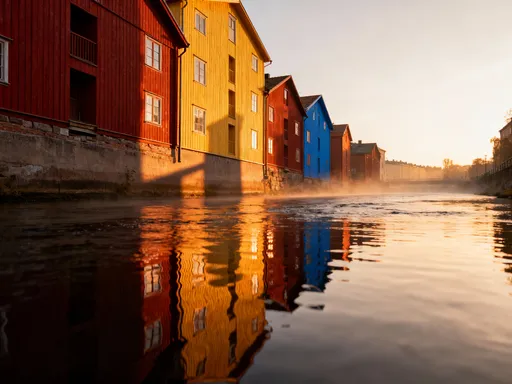
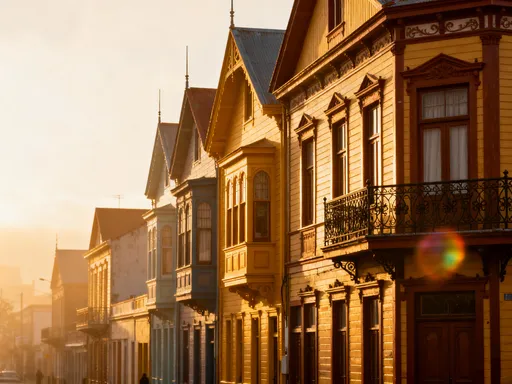
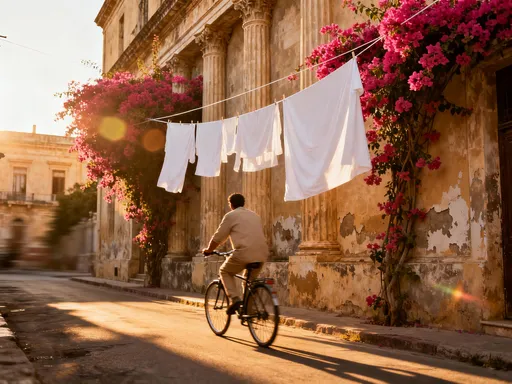
Turku also aligns beautifully with the growing trend of slow travel—a mindful approach that values connection over checklist tourism. Here, there’s no pressure to rush from one landmark to the next. Instead, travelers are invited to linger: to sip coffee at a waterside café, explore a centuries-old market hall, or wander through neighborhoods where wooden houses painted in buttery yellows, soft blues, and warm reds line the streets like something out of a storybook. This is a city that rewards presence. Its charm isn’t in grand monuments alone but in the quiet details—the way sunlight filters through autumn leaves onto stone steps, or how the evening fog rolls gently over the water, softening the skyline into a dreamlike silhouette.
The Aura River: A Living Postcard
At the heart of Turku’s beauty flows the Aura River, a serene waterway that acts as both a geographic and emotional centerpiece. Calm and reflective, the river mirrors the city above, doubling its visual impact. On clear days, the surface becomes a perfect canvas for clouds, bridges, and the colorful facades of historic wooden buildings that rise gently from its banks. In the early morning, when the city is still waking, the water is often glass-smooth, broken only by the occasional paddle of a kayak or the soft wake of a passing tour boat. It’s in these quiet moments that Turku feels most alive—peaceful, poetic, and profoundly still.
One of the most rewarding ways to experience the river is by walking its length, particularly from Turku Cathedral down to the Market Square. This route, easily covered in under an hour at a leisurely pace, offers a constantly shifting panorama. On one side, the grand silhouette of the cathedral stands tall against the sky, its twin spires a landmark visible from nearly every angle. On the other, the riverbank unfolds with parks, public art, and benches placed strategically for viewing. As you walk, you’ll pass houseboats bobbing gently at their moorings, small docks where children fish with handmade rods, and clusters of bicycles locked to iron railings—each detail adding texture to the scene.
The river’s beauty transforms with the seasons, offering a different kind of magic in each. In spring, the banks come alive with crocuses and daffodils, while melting ice creates fleeting patterns on the water’s surface. Summer brings golden-hour glows that stretch into the evening, with sunlight catching the ripples and turning them into liquid gold. Autumn drapes the area in rich ambers and deep reds, the trees leaning over the water like sentinels, their reflections perfectly mirrored in the stillness. Even in winter, when snow dusts the rooftops and ice forms along the edges, the river retains its quiet dignity—smoke rising from chimneys, the soft orange glow of streetlamps, and the occasional skater practicing on a cleared patch of ice. No matter when you visit, the Aura River remains a living postcard, constantly redefining itself while staying unmistakably Turku.
Turku Castle: Where History Meets Panoramic Views
Rising from the riverbank like a page torn from a medieval epic, Turku Castle is one of Finland’s most enduring symbols. Originally constructed in the late 13th century, it has withstood wars, fires, and centuries of change, standing today as a remarkably preserved testament to Nordic resilience. While many visitors come to explore its well-preserved chambers, torture exhibits, and royal halls, the true visual spectacle lies outside—and above. The castle’s exterior, with its weathered gray stone walls and deep moat, offers some of the most iconic photo opportunities in the city. The reflection of its turrets in the still water at sunrise is a sight that stops even the most seasoned travelers in their tracks.
For the most breathtaking perspective, climbing the castle tower is a must. The ascent is modest but rewarding, opening up a panoramic view of Turku that stretches from the river delta to the distant hills. From this vantage point, the city reveals itself in layers—the red-tiled roofs of the old town, the winding path of the Aura River, the scattered islands of the archipelago beginning just beyond the harbor, and the green canopy of parks that cushion urban life. On clear days, you can even spot the faint outline of larger ships approaching from the Baltic Sea. This elevated view is especially powerful at golden hour, when the low sun casts long shadows and bathes the stone fortress in a warm, almost ethereal light.
To make the most of your visit, arriving early in the morning is highly recommended. Not only does this ensure softer light for photography, but it also means fewer crowds, allowing for unobstructed views and peaceful contemplation. The area around the castle, including the adjacent park and riverside promenade, is equally worth exploring. Benches line the grassy slopes, perfect for sitting with a thermos of coffee and watching the world wake up. Families often gather here for picnics, children chasing bubbles or flying kites, while couples stroll hand in hand along the water’s edge. Turku Castle is not just a relic of the past; it is a living part of the city’s present, where history and daily life coexist in graceful harmony.
Archipelago Vibes Without Leaving the City
One of Turku’s most enchanting qualities is its proximity to the Finnish Archipelago—one of the world’s largest and most scenic island networks. What makes this special is that you don’t need to travel far to feel its influence. From the city center, a short boat ride can transport you from urban calm to coastal serenity, where rocky shores, pine-covered islets, and traditional wooden summer cottages dot the horizon. These excursions offer a refreshing contrast to city life while remaining accessible and family-friendly. Whether you choose a scheduled ferry, a guided sightseeing cruise, or a self-piloted electric boat, the journey itself becomes part of the experience—wind in your hair, the scent of saltwater, and the gentle rocking of the waves beneath you.
Many of these boat tours depart from the riverfront near the Market Square, making them easy to include in a day of sightseeing. As you glide past the last city docks and into open water, the skyline of Turku gradually recedes, replaced by a scattered mosaic of islands. Some are uninhabited, home only to seabirds and wild berries; others host small communities where life moves at a slower pace. You might catch sight of someone rowing to their cottage, a fishing net drying in the sun, or a dog bounding across the rocks in pursuit of a thrown stick. These fleeting moments of authenticity are what make the archipelago experience so memorable.
Even without leaving the mainland, Turku captures the spirit of island living. Certain waterfront neighborhoods, like Pansio or Port Arthur, have a distinctly coastal character, with weathered docks, fishing huts, and boats pulled ashore. The air carries a crisp, clean freshness, especially in the early morning or after a summer rain. Local restaurants near the harbor often feature fresh-caught fish—like perch, salmon, or herring—served simply with dill, potatoes, and rye bread. Sitting at an outdoor table with a view of the water, you could easily believe you’re on a remote island rather than just minutes from the city center. This seamless blend of urban convenience and maritime charm is unique to Turku and one of its most compelling features.
Hidden Corners with Big Visual Payoffs
Beyond the well-trodden paths lie Turku’s quiet treasures—lesser-known spots that offer some of the most striking views in the city. One such place is Kakolanmäki Hill, a former prison site that has been transformed into a cultural and wellness hub. While the building itself is architecturally impressive, it’s the surrounding area that offers a panoramic overlook of Turku rarely seen by tourists. From this elevated position, the river curves like a ribbon through the city, with the cathedral and castle standing in quiet dialogue across the water. In the evening, as lights begin to twinkle in the windows of riverside homes, the view becomes almost cinematic.
Another hidden gem is the area near Luostarinmäki Handicrafts Museum, an 18th-century neighborhood preserved after a great fire. The museum grounds are worth visiting for their historic workshops and traditional crafts, but just beyond, a small footbridge offers one of the most serene sunset vantage points in Turku. Framed by trees and the gentle flow of the river, the scene is intimate and undisturbed. Photographers often gather here during golden hour, but even without a camera, the moment feels sacred—a quiet pause in the day where time seems to slow.
Other local favorites include the promenade along Vartiovuori Hill, where a historic observatory sits atop a green slope, and the quiet lanes of the old hospital district, where ivy-covered stone walls and arched windows create a sense of timeless elegance. These places are not marked by crowds or souvenir shops. Instead, they are cherished by residents who value their tranquility and beauty. Visiting them requires a bit of curiosity and a willingness to wander, but the rewards are immense. Each offers a different perspective on Turku—one that feels personal, authentic, and deeply connected to the rhythm of daily life.
Seasonal Magic: When to Visit for the Best Shots
Turku’s visual character shifts dramatically with the seasons, each offering a distinct palette and mood. Summer is perhaps the most popular time to visit, and for good reason. The days are long, with nearly 19 hours of daylight in June, and the midnight sun casts a soft, golden glow over the city well into the night. Parks are lush, outdoor cafés buzz with activity, and the river becomes a hub for boating and swimming. For photographers, the extended twilight provides endless opportunities for dreamy, long-exposure shots of reflections and city lights.
Autumn brings a quieter, more introspective beauty. The forests around Turku turn into a tapestry of reds, oranges, and golds, and morning fog often drifts across the river like smoke. This season is ideal for contemplative walks and atmospheric photography. The light is softer, the crowds thinner, and the air carries the crisp scent of fallen leaves. It’s a time of transition, when the city prepares for winter with a sense of calm readiness.
Winter transforms Turku into a snow-dusted fairy tale. When snow covers the rooftops and ice forms along the riverbanks, the city takes on a hushed, almost sacred quality. Streetlamps glow warmly against the early dusk, and the castle, lit from below, stands like a fortress from a Nordic legend. While daylight is limited—around six hours in December—the low sun creates dramatic shadows and rich contrasts, perfect for moody, evocative images. With proper layers and waterproof boots, winter travel in Turku is not only manageable but deeply rewarding.
Spring, though brief, is a season of renewal. As the ice breaks up and birds return to the riverbanks, life begins to stir again. Gardens awaken with crocuses and tulips, and the first signs of green appear on the trees. It’s a hopeful time, full of promise and gentle energy. For those who appreciate subtlety and transformation, spring offers a unique opportunity to witness Turku at the beginning of its annual rebirth.
Photography Tips for Capturing Turku’s Essence
Capturing Turku’s beauty doesn’t require professional gear or advanced skills. In fact, some of the most powerful images come from simple observation and timing. The golden hour—shortly after sunrise and before sunset—is your best ally. During these times, the light is soft, warm, and directional, creating depth and dimension in your photos. On the Aura River, this light reflects beautifully, doubling the visual impact of bridges, buildings, and boats.
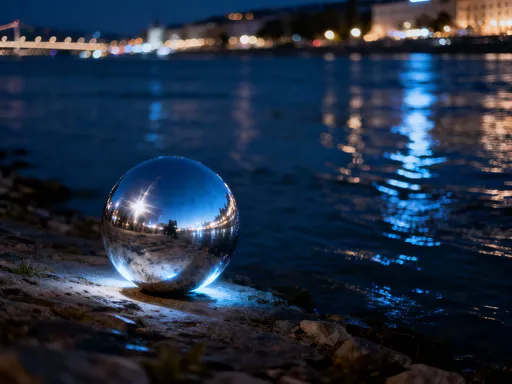
Reflections are one of Turku’s most photogenic features. Calm water acts like a mirror, especially in the early morning. Position yourself low to the ground or use a slight tilt to capture both the subject and its reflection for a symmetrical, dreamlike effect. Bridges, the castle, and the colorful houses along the riverbank all lend themselves to this technique. Even on overcast days, when the sky is flat, the water can add interest and balance to your composition.
Don’t overlook the small details. A basket of fresh berries at the Market Square, a bicycle leaning against a wooden wall, or a child’s drawing taped to a café window—these elements tell the story of everyday life in Turku. Including them in your photos adds context and warmth, transforming a simple landscape into a narrative. Street art, flower boxes, and seasonal decorations also offer colorful, spontaneous subjects.
While smartphones are more than capable of capturing high-quality images, a few simple tips can enhance your results. Clean your lens regularly, use the grid feature to align horizons, and tap to focus on your subject before pressing the shutter. If you’re using a camera, a polarizing filter can help reduce glare on water and glass. But perhaps the most important advice is to put the camera down sometimes. Some of Turku’s most beautiful moments—the sound of church bells across the river, the smell of bread from a local bakery, the sight of an elderly couple sharing a bench—are meant to be felt, not just photographed. Let yourself be present. The memories you carry will be richer for it.
Turku isn’t about grand spectacles—it’s about subtle beauty that reveals itself slowly. Each view tells a story of history, nature, and quiet Nordic charm. Whether you're chasing the perfect shot or simply soaking in the moment, Turku offers a kind of visual calm that stays with you long after you leave.