You Won’t Believe These Hidden Cultural Gems in Sydney
When you think of Sydney, the Opera House and Harbour Bridge likely come to mind—but there’s a whole other side to this city that most tourists completely miss. I’m talking about intimate art spaces, local-run cultural hubs, and quiet venues where stories run deeper than any guidebook can capture. These off-the-beaten-path spots offer authentic glimpses into Sydney’s soul. From artist-run galleries in converted warehouses to Aboriginal storytelling circles in community centers, Sydney pulses with cultural life beyond its postcard image. If you're craving real connection over crowded landmarks, stick around—this is the Sydney few ever see.
Beyond the Postcard: Rethinking Sydney’s Cultural Identity
Sydney is often celebrated for its skyline, its beaches, and its world-famous landmarks. The gleaming sails of the Opera House, the steel arch of the Harbour Bridge, and the golden stretch of Bondi Beach dominate travel brochures and social media feeds. Yet, while these sights are undeniably iconic, they represent only a fraction of what makes Sydney culturally rich. For travelers seeking depth over dazzle, the city’s true character unfolds in quieter corners—places where art, heritage, and community intersect away from the tourist spotlight. These are not destinations designed for mass appeal but spaces shaped by local passion, resilience, and identity.
The value of exploring beyond the mainstream lies in experiencing cultural intimacy—those rare moments when you witness a place as locals do, not as it is packaged for visitors. These hidden venues often operate on modest budgets, sustained by volunteers, artists, and community advocates who believe in the power of storytelling, creativity, and shared memory. Unlike commercial attractions, they don’t rely on ticket sales or advertising; their currency is connection. When you step into one of these spaces, you’re not just observing culture—you’re participating in it.
Recognizing these lesser-known sites as essential to Sydney’s cultural fabric challenges the idea that a city’s worth is measured by its most photographed monuments. Instead, it invites a more thoughtful way of traveling—one rooted in curiosity, respect, and presence. The journey into Sydney’s underground galleries, neighborhood performance halls, and Indigenous-led programs is not about ticking off attractions but about slowing down and listening. It’s about understanding that culture thrives not in perfection, but in authenticity—in the imperfect, evolving, and deeply human expressions of a city’s soul.
Hidden Art Spaces in Surry Hills and Chippendale
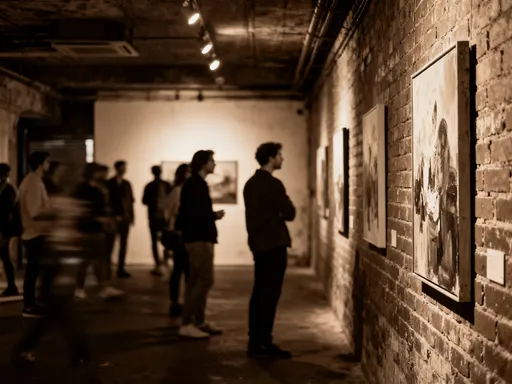
Just a short walk from the bustling streets of central Sydney lies a creative renaissance quietly unfolding in the neighborhoods of Surry Hills and Chippendale. Once dominated by industrial warehouses and textile factories, these inner-city suburbs have transformed into vibrant hubs for contemporary art, thanks to a growing network of independent galleries and artist collectives. These spaces are not housed in grand institutions but in repurposed buildings, alleyway pop-ups, and ground-floor studios where experimentation is encouraged and accessibility is prioritized. One such space is Firstdraft, a non-profit artist-run initiative that has supported emerging Australian artists since the 1980s. Located in the heart of Chippendale, it offers rotating exhibitions that challenge conventions and amplify underrepresented voices.
What sets these grassroots galleries apart is their commitment to artistic freedom. Without the pressures of commercial galleries or museum curation, they provide a platform for bold, conceptual, and sometimes controversial work. You might encounter multimedia installations exploring climate change, performance art addressing urban isolation, or digital pieces reflecting on migration and identity. The exhibitions are often temporary, sometimes lasting only a week, which adds an element of discovery—visitors feel like they’ve stumbled upon something rare and fleeting. Many of these spaces rely on volunteer curators and peer-led programming, reinforcing the sense that art here is a community effort, not a commodity.
For travelers, visiting these art spaces offers more than aesthetic pleasure—it’s an opportunity to engage with Sydney’s creative pulse on a personal level. Artists are often present during opening nights or weekend viewings, eager to discuss their work and inspirations. This direct access fosters dialogue and deepens understanding in ways that traditional museums rarely allow. While entry is typically free or by donation, the real contribution comes from attentive observation and respectful engagement. These venues thrive on visibility and support, but they also depend on discretion—crowds can overwhelm their intimate settings, so quiet appreciation is key. By seeking out these hidden galleries, visitors become part of a quiet revolution in how art is shared and experienced in the city.
Indigenous Storytelling Hubs Around Redfern
Redfern, a suburb long recognized as a center of Aboriginal activism and community life, is home to some of Sydney’s most meaningful cultural experiences. It is here, in unassuming buildings and community centers, that the stories of Australia’s First Nations peoples are preserved, shared, and celebrated. These spaces are not tourist attractions in the conventional sense—they are living institutions dedicated to truth-telling, cultural continuity, and healing. One prominent venue is Carriageworks, a multi-arts precinct located on Gadigal land that regularly hosts First Nations programs, including dance performances, art exhibitions, and language workshops. When Indigenous-led events take place here, the atmosphere shifts—there’s a palpable sense of reverence, resilience, and pride.
Beyond Carriageworks, smaller grassroots organizations operate with deep community ties. Local collectives host storytelling circles where Elders pass down oral histories, traditional songs, and Dreamtime narratives to younger generations. These gatherings are not staged for entertainment; they are acts of cultural preservation. Visitors are sometimes welcome, but participation requires humility and a willingness to listen more than speak. Photography is often restricted out of respect for cultural protocols, and silence during certain segments is expected. These aren’t rules imposed to exclude, but practices that honor the sacredness of the knowledge being shared.
Engaging with Aboriginal culture in Sydney means approaching it with care and awareness. It’s important to recognize that colonization has had lasting impacts, and many of these programs exist not only to celebrate culture but to resist erasure. Travelers should avoid treating these experiences as curiosities or photo opportunities. Instead, they should view them as invitations to learn. Supporting these spaces through donations, attending public events, or purchasing artwork directly from artists helps sustain their work. Most importantly, visitors should leave with a deeper understanding of Australia’s original custodians—not as figures of the past, but as vibrant, contemporary communities shaping the nation’s future.
Grassroots Theatres and Performance Spaces Off the Main Strip
While the Sydney Theatre Company and the Capitol Theatre draw large audiences with polished productions, some of the city’s most compelling performances happen in modest black-box theatres and converted community halls. Neighborhoods like Newtown and Marrickville have become breeding grounds for independent theatre, where small troupes explore social issues, experiment with form, and amplify diverse voices. These venues, often seating fewer than 100 people, offer an immediacy that larger stages cannot replicate. The proximity between performer and audience creates a shared energy—one where laughter, silence, and even discomfort are felt collectively.
Many of these productions focus on themes relevant to contemporary Australian life: migration, mental health, housing insecurity, and intergenerational conflict. Casts are frequently multicultural, reflecting the demographic makeup of western Sydney, and performances may incorporate multiple languages or traditional performance styles from around the world. One notable example is the performance seasons hosted at the Old 505 Theatre in Newtown, which prioritizes new writing and emerging directors. Similarly, the Factory Theatre in Marrickville supports experimental work, often giving debut opportunities to artists from marginalized backgrounds.
For visitors, finding these shows requires a bit of research, but the effort is rewarded with unforgettable experiences. Show schedules are usually posted on venue websites or community bulletin boards, and tickets are affordably priced—often between AUD 20 and 40, with concessions available. Audience etiquette is relaxed but respectful: arriving on time is appreciated, as many productions begin promptly, and mobile phones are expected to be silenced. Unlike mainstream theatre, there’s often a post-show Q&A or informal mingling with the cast, offering a chance to ask questions and express appreciation. These moments of connection remind us that theatre, at its core, is a communal act—one that thrives in intimacy and honesty.
Cultural Cafés and Bookshops as Quiet Resistance
In an age of chain coffee shops and algorithm-driven recommendations, independent cafés and bookstores in Sydney’s inner suburbs stand as quiet acts of cultural resistance. These spaces, often run by migrant families or cultural associations, serve as informal embassies of heritage, language, and tradition. Tucked into side streets of suburbs like Leichhardt, Ashfield, and Campsie, they offer more than lattes and novels—they provide a sense of belonging for communities far from home and a window into global cultures for curious locals and visitors alike.
Take, for instance, a small Lebanese-run café in Lidcombe that hosts monthly poetry readings in Arabic. The back room, lined with bookshelves and adorned with calligraphy art, transforms into a literary salon where elders recite classical verses and young writers share original work. Or consider a Greek-language bookshop in Marrickville that doubles as a meeting place for senior reading groups, where discussions flow between literature and memories of island villages. These gatherings are not advertised on social media; they grow through word of mouth, sustained by shared identity and mutual care.
What makes these spaces powerful is their unassuming nature. They do not seek fame or viral attention. Their significance lies in their consistency—the way they show up week after week, offering warmth, language, and familiarity in a fast-changing city. For travelers, visiting one of these spots means stepping into a different rhythm of life. Ordering a cardamom coffee, flipping through a Farsi novel, or simply observing a conversation in Cantonese can be small but meaningful acts of cultural exchange. Supporting these businesses by purchasing a book or lingering over a drink contributes directly to their survival. In a world that often erases the local in favor of the global, these cafés and bookshops remind us that culture is lived daily, one conversation at a time.
Why Timing and Local Insight Make All the Difference
Discovering Sydney’s hidden cultural gems often depends less on a map and more on timing and connection. Many of these spaces operate on irregular schedules, opening only for special events, monthly gatherings, or festival periods. The Sydney Festival, for example, includes a vibrant fringe program that activates underused spaces across the city—from disused train yards to community centers—featuring experimental art, dance, and spoken word performances. During these times, doors that are usually closed swing open, offering rare access to otherwise elusive experiences.
But even outside major festivals, opportunities exist for those who know where to look. Local insight is invaluable. A librarian might mention an upcoming Indigenous weaving workshop. A barista could point you to a pop-up gallery in a back alley of Enmore. A bookseller may invite you to a private reading by a visiting author. These recommendations are not found in guidebooks or apps—they emerge from genuine human connection. Building even a brief rapport with locals can unlock doors that remain invisible to the average tourist.
Yet, with access comes responsibility. These spaces are not meant to become trendy check-ins or Instagram backdrops. Their authenticity depends on remaining under the radar, protected from the pressures of popularity. Treating them as fleeting trends risks diluting their purpose and overwhelming their capacity. The most respectful approach is to visit with intention, not influence. Listen more than you speak. Stay longer than you post. And when something moves you, let it stay with you—without feeling the need to share it widely. In doing so, you honor the spirit of these places and help preserve their integrity for those who rely on them most.
How to Visit Responsibly Without Disrupting the Magic
Exploring Sydney’s hidden cultural spaces is a privilege, not a right. These venues exist because of community care, not tourist demand. Therefore, visiting them requires a mindset shift—from consumption to contribution, from observation to respect. Simple actions can make a significant difference. Avoid using flash photography, especially in intimate settings or during cultural ceremonies, as it can be intrusive and disrespectful. If you wish to record a performance or conversation, always ask for permission first. In many cases, the answer may be no, and that boundary should be honored without question.
Supporting these spaces financially is another meaningful gesture. While many operate on a donation basis or offer pay-what-you-can entry, contributing what you can helps sustain their programs. Purchasing a piece of artwork, buying a book from an independent bookstore, or simply ordering a coffee at a community-run café ensures that your presence leaves a positive impact. Equally important is your demeanor—arrive with humility, stay present, and avoid treating these experiences as mere additions to a travel itinerary. These are not attractions; they are living parts of Sydney’s social fabric.
Perhaps the most powerful form of respect is discretion. In the age of social media, there’s immense pressure to document and share every moment. But some experiences are meant to be held quietly. By choosing not to post certain locations online, you help protect them from overcrowding and commercialization. Preservation sometimes means silence. This doesn’t mean you can’t reflect on your experience later or recommend a general area to a trusted friend—but it does mean resisting the urge to turn sacred or intimate spaces into viral content. True appreciation is measured not by likes, but by lasting respect.
Ultimately, responsible travel is about balance—seeking connection without extraction, exploring without erasure. When done with care, visiting Sydney’s hidden cultural gems becomes more than sightseeing; it becomes a form of cultural citizenship. You are no longer just a visitor, but a temporary steward of a community’s story.
Conclusion
Sydney’s true culture isn’t found in brochures—it lives in basement galleries, backstreet halls, and community rooms where stories are passed down, not performed. The city’s soul beats strongest in the spaces that don’t advertise, that don’t need crowds to validate their worth. From the quiet poetry readings in migrant-run cafés to the powerful storytelling circles in Redfern, these places remind us that culture is not a spectacle, but a shared rhythm of life. They thrive on presence, not performance, and they welcome those who come with open hearts and listening ears.
By stepping off the beaten path, we don’t just see more of the city—we engage with it meaningfully. We move beyond the surface and into the substance of what makes Sydney diverse, resilient, and deeply human. The next time you visit, skip the crowds for a moment and seek out the quiet places. Talk to a local. Attend a small show. Sit in a backroom with a cup of tea and a book in a language you don’t understand. That’s where the real heartbeat of Sydney beats loudest. And sometimes, the most unforgettable journeys begin not with a destination, but with a whisper.