This Is Why Strasbourg’s Art Stole My Heart
You know that feeling when a city just gets you? Strasbourg did that to me. Wandering its cobbled streets, I wasn’t just sightseeing—I was immersed in art, everywhere. From stained glass that glows like liquid gold to street murals breathing stories onto old walls, the viewing experience here is next-level. It’s not about galleries alone; it’s how art lives in the city’s soul. The interplay of light, history, and craftsmanship turns every alleyway into a gallery and every glance into a revelation. This is what happens when history, light, and creativity collide—a place where art isn’t displayed, it’s lived.
The First Glimpse: Arrival in Strasbourg and the Immediate Artistic Impression
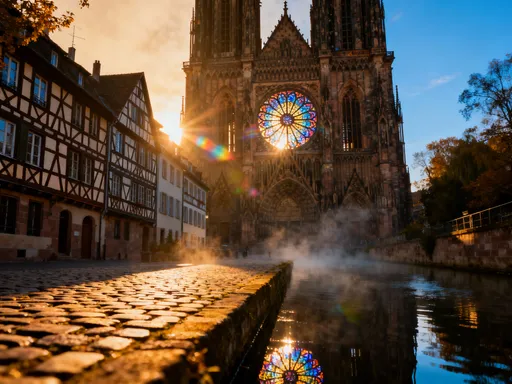
Stepping off the train at Strasbourg’s main station, the city greets visitors not with noise or chaos, but with a quiet sense of grandeur. Within minutes of leaving the platform, the spire of the Cathédrale Notre-Dame de Strasbourg pierces the skyline, drawing the eye upward like a magnet. Its west façade, one of the most ornate in Europe, unfolds in layers of sculpted stone—a symphony of pinnacles, arches, and biblical figures carved with astonishing detail. The cathedral stands as both a religious monument and a masterpiece of Gothic engineering, a testament to centuries of artistic ambition. What strikes most is not just its scale, but the way it feels alive, responding to the shifting light and weather with subtle changes in texture and tone.
The viewing experience begins long before entering the cathedral. At sunrise, the pinkish glow of dawn softens the limestone, giving the façade a warm, almost human quality. By midday, under clear skies, the intricate carvings cast sharp shadows, emphasizing depth and movement in the stone. In the late afternoon, when the sun slants from the west, the entire front seems to ignite, particularly around the great rose window, where centuries-old glass captures and refracts the light like a prism. This dynamic transformation turns the building into a living canvas, one that rewards repeat visits at different times. For travelers, this means planning more than one encounter—ideally at least two visits during a stay—to witness its full range of moods.
Equally significant is the cultural dialogue embedded in Strasbourg’s architecture. Positioned on the border between France and Germany, the city reflects a blend of influences that is both historical and aesthetic. The cathedral itself, though rooted in French Gothic tradition, incorporates Germanic elements in its verticality and ornamentation. The surrounding buildings in the historic center echo this duality—half-timbered facades reminiscent of southern Germany sit alongside elegant French townhouses with wrought-iron balconies. This fusion is not a compromise but a harmony, a visual representation of a region shaped by exchange rather than division. For the observant traveler, this architectural blend offers a deeper understanding of how art can reflect identity, resilience, and shared heritage.
Cathedral as Masterpiece: Experiencing Art Through Sacred Space
Inside the cathedral, the atmosphere shifts from awe to reverence, then to wonder. The vast nave soars overhead, its ribbed vaults creating a sense of upward motion that seems to lift the spirit. But it is not just the scale that impresses—it is the density of artistry packed into every surface. The stained-glass windows, some dating back to the 13th century, flood the interior with colored light, transforming the stone floor into a mosaic of shifting hues. The most famous of these is the 15th-century rose window above the west entrance, a masterpiece of medieval glasswork measuring over 14 meters in diameter. Its intricate patterns and vivid blues and reds create a celestial effect, especially when sunlight streams through in the late morning.
Equally captivating is the cathedral’s astronomical clock, a marvel of Renaissance engineering housed in the south transept. First constructed in the 14th century and later rebuilt in the 19th, the current version is a complex mechanism that not only tells time but also displays the phases of the moon, the position of the planets, and even the date of Easter. At certain hours, a small procession of mechanical figures emerges—a skeleton ringing a bell, the apostles parading before Christ—adding a theatrical dimension to the scientific display. This fusion of art, science, and spirituality exemplifies the cathedral’s role not just as a house of worship, but as a cultural encyclopedia carved in wood, metal, and glass.
To fully appreciate these elements, visitors should consider timing and perspective. Early morning light enhances the stained glass, particularly on the eastern side, while late afternoon sun illuminates the western rose. Standing at the center of the nave offers the most complete view of the interior’s proportions, but moving closer to individual chapels reveals hidden details—delicate carvings of saints, floral motifs, and symbolic animals etched into capitals and arches. Audio guides and occasional guided tours provide context, but silence also has its place. Pausing in stillness allows the mind to absorb not just what is seen, but how it feels—the coolness of the stone, the echo of footsteps, the way light moves across the floor like water. In this space, art is not observed from a distance; it is felt in the body and mind.
Beyond the Museum Walls: Public Art in the Petite France District
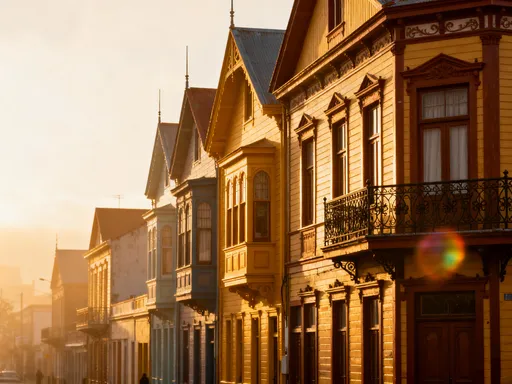
If the cathedral represents high art in a sacred setting, the Petite France district reveals how beauty thrives in the everyday. Once home to tanners and millers, this neighborhood along the Ill River is now one of Strasbourg’s most picturesque areas, where function and form merge seamlessly. The half-timbered houses, with their steeply pitched roofs and flower-filled window boxes, look like something from a storybook—yet they are real, lived-in spaces. Their charm lies not in perfection, but in character: crooked beams, weathered wood, and asymmetrical facades that speak of centuries of use and adaptation. These buildings are not preserved behind glass; they are part of the city’s living fabric, a form of vernacular art passed down through generations.
Wandering through Petite France, one begins to notice art in unexpected places. On quiet side streets, ironwork gates feature elaborate scrollwork and floral patterns, each one unique. Courtyards hidden behind arched doorways open like secret gardens, with climbing vines, stone fountains, and benches tucked into corners. Along the canals, wooden footbridges painted green add a rhythmic pattern to the water’s edge, while houseboats moored along the banks display personal touches—potted plants, striped awnings, hand-painted signs. Even the signage in this area feels artistic, with hand-lettered menus and boutique names written in flowing script. This is a district where aesthetics are not imposed, but emerge naturally from care, tradition, and attention to detail.
One of the most striking public art features is found near the Tour des Deux Écureuils, where a large mural wraps around the corner of an old building. Painted in rich earth tones and soft blues, it depicts a scene of daily life from centuries past—fishermen unloading their catch, women carrying baskets, children playing by the water. The style is realistic yet poetic, with a dreamlike quality that blurs the line between memory and imagination. Other murals scattered throughout the district tell stories of local trades, folklore, and seasonal festivals, turning the city walls into an open-air narrative. For photographers and casual observers alike, these works invite slow exploration. A suggested walking route might begin at the Pont du Corbeau, follow the canal southward, then loop back through Rue du Bain-aux-Plantes, allowing time to pause, reflect, and capture the details that might otherwise be missed.
Galleries with a View: How Strasbourg’s Museums Enhance the Gaze
While Strasbourg’s art is everywhere, its museums offer a more focused lens through which to understand it. The Musée de l’Œuvre Notre-Dame, located just steps from the cathedral, is a must-visit for anyone interested in the city’s artistic evolution. Housed in a complex of medieval and Renaissance buildings that once served as the cathedral’s workshop, the museum holds an exceptional collection of sculpture, stained glass, and architectural fragments from the 11th to the 17th centuries. Walking through its cloisters and galleries feels like stepping into the mind of the original builders—seeing the sketches, models, and tools that brought the cathedral to life. One of the highlights is a reconstructed section of the west façade, allowing visitors to examine the sculptures up close, studying the expressions, drapery, and symbolism that are hard to see from the ground.
What sets this museum apart is not just its collection, but its setting. The building itself is part of the exhibit—a harmonious blend of Gothic, Renaissance, and later additions that mirror the city’s layered history. Natural light filters through high windows, illuminating stone carvings without the harshness of artificial spotlights. The layout encourages contemplation rather than hurried viewing, with spacious rooms and clear sightlines that allow each piece to breathe. Information panels are concise and accessible, offering historical context without overwhelming the senses. For families and casual visitors, the museum strikes a balance between scholarly depth and visual appeal, making it engaging for all ages.
Another unique institution is the Musée Tomi Ungerer, dedicated to the Alsatian-born illustrator, satirist, and writer. Located in the historic Villa Greiner, the museum showcases over 11,000 drawings, books, and personal artifacts that reflect Ungerer’s vast creative range—from children’s books like *The Three Robbers* to sharp political cartoons and experimental art. His work is bold, often humorous, and unafraid of complexity, addressing themes of war, freedom, and human nature with both intelligence and heart. The museum’s design enhances this experience, with dynamic displays that change regularly, interactive elements for children, and a library where visitors can browse original editions. Unlike traditional art museums, this space feels personal and intimate, as if stepping into the artist’s studio and mind.
Seasonal Transformations: How Light and Weather Shape What You See
Strasbourg’s appearance shifts dramatically with the seasons, offering distinct visual experiences throughout the year. In winter, a soft blanket of fog often settles over the city, muting colors and blurring outlines. The cathedral emerges from the mist like a vision, its spire piercing the gray sky. Streetlamps glow like halos, and the half-timbered houses of Petite France seem even cozier, their windows lit from within. This atmospheric quality lends a romantic, almost cinematic mood to the city, ideal for reflective walks and quiet observation. Though daylight hours are shorter, the low angle of the winter sun creates long shadows and dramatic contrasts, especially in the early morning and late afternoon.
Spring brings renewal, as cherry blossoms line the canals and flower boxes burst with pansies and tulips. The light becomes clearer, revealing textures in the stone and wood that were hidden under winter’s dimness. By summer, Strasbourg is at its most vibrant—sunlight bounces off the river, gardens are in full bloom, and outdoor cafés spill onto the sidewalks. The colors of the murals and façades appear more saturated, and the long evenings allow for extended exploration. This is the season for picnics along the water, open-air concerts, and leisurely bike rides through the Parc de l’Orangerie. The clarity of vision in summer makes it ideal for photography, especially in the golden hours just after sunrise and before sunset.
Autumn paints the city in warm tones—golden leaves drift onto cobblestones, and the light takes on a honeyed quality that enhances the warm hues of the buildings. It is perhaps the most balanced season for viewing art, offering mild temperatures, fewer crowds, and optimal lighting conditions. But no season in Strasbourg is complete without the Christmas market, which transforms the city into a temporary work of art. From late November through December, the historic center glows with thousands of lights. Wooden chalets line the streets, adorned with wreaths, ornaments, and flickering candles. The scent of mulled wine and gingerbread fills the air, and carolers sing from balconies. This is not just a market—it is a full sensory installation, a celebration of craftsmanship, light, and tradition. For many visitors, it is the most magical time to experience Strasbourg’s artistic spirit.
Viewing Like a Local: Slow Observation and the Art of Noticing
One of the most profound lessons Strasbourg teaches is the value of slowing down. In a world of rapid travel and checklist tourism, the city rewards those who take their time. Art here is not confined to landmarks or museums—it hides in the details. A carved doorway on Rue des Hallebardes features a lion’s head with moss growing in its mouth, a symbol of protection softened by time. An iron gate on Rue du Fossé des Tailleurs displays a pattern of interlocking vines, each leaf shaped with care. A garden wall in the Orangerie district is lined with repurposed tiles, their glazes faded but still beautiful. These micro-moments, easily overlooked, form the true texture of the city’s artistic life.
Practicing mindful observation can deepen the experience. One simple technique is to pause for a full minute in front of a single object—whether it’s a weather vane, a fountain, or a patch of peeling paint—and notice everything about it: color, texture, shadow, context. Sketching, even poorly, forces the eye to see more clearly. Photography, when done with intention rather than haste, can reveal patterns and compositions invisible at first glance. Some visitors carry small notebooks to jot down impressions, quotes, or sketches, creating a personal archive of their journey. The goal is not to document everything, but to connect more deeply with what is seen.
Locals often walk the same routes daily, yet they continue to notice new things—a fresh mural, a changed flower arrangement, a bird nesting in a gargoyle. This habit of returning and re-seeing is itself an artistic practice. For travelers, adopting even a fraction of this mindset can transform a short visit into a lasting impression. It shifts the focus from accumulation—how many sights were seen—to absorption—how deeply was the place felt? In Strasbourg, where art is woven into the very streets, this slower way of moving becomes a form of participation.
Why Strasbourg Changes the Way You See Art Forever
Leaving Strasbourg, one carries more than photographs or souvenirs. The city leaves behind a new way of seeing. It teaches that art is not something set apart in frames or behind ropes, but something that lives in the world—in light falling on stone, in the curve of a wrought-iron gate, in the laughter echoing off medieval walls. It challenges the idea that beauty must be rare or precious, showing instead how it thrives in the ordinary, the worn, the everyday. This realization can ripple outward, changing how one views not just other cities, but one’s own neighborhood, home, and daily life.
More than that, Strasbourg embodies a quiet dialogue between cultures, histories, and disciplines. Its art is not static; it evolves with the light, the season, the observer. It invites engagement, not just admiration. In a time when travel can feel transactional—booked, rushed, filtered—Strasbourg offers a different model: one of presence, patience, and perceptiveness. It reminds us that to truly see is not just to look, but to notice, to feel, to remember.
So let this be an invitation—not just to visit Strasbourg, but to learn from it. Let the city reshape your gaze. Walk its streets with curiosity. Pause often. Look closely. Let the art that lives in its stones, windows, and waterways remind you that beauty is not always loud or grand. Sometimes, it is a whisper, a reflection, a shadow moving across a wall. And sometimes, that is enough to change everything.