You Won't Believe What I Ate at Sun City — This Place Is Next-Level
Sun City, South Africa isn’t just about luxury hotels and wild safari views — it’s a food lover’s dream hiding in plain sight. I went expecting glamour, but left completely obsessed with the flavors. From fire-kissed meats to bold local spices you won’t find anywhere else, the specialty dining scene here hits different. This isn’t just dinner — it’s a full sensory ride. The air carries whispers of rooibos and smoked paprika, the tables glow under soft lantern light, and every dish tells a story older than the landscape itself. Let me take you behind the scenes of the most unforgettable meals I discovered, where heritage meets innovation and every bite feels like a revelation.
First Impressions: Where Luxury Meets Local Flavor
From the moment I stepped into Sun City, the atmosphere told a story far beyond opulence. Yes, the sweeping architecture and manicured grounds spoke of grandeur, but it was the subtle culinary cues that captured my attention. The scent of grilled boerewors curled through the air as I walked from the reception to my suite, mingling with the earthy aroma of dried herbs in decorative baskets. It was clear that food wasn’t an afterthought — it was woven into the resort’s identity. Even the welcome drink, a chilled blend of naartjie juice and rooibos iced tea, signaled that this was a place where local flavors would take center stage.
The design philosophy at Sun City reflects a deep respect for South African heritage. The thatched roofs, terracotta tiles, and hand-carved wooden accents aren’t just decorative; they echo the traditional homesteads of the region. But what’s remarkable is how seamlessly these cultural elements merge with modern luxury. In the lobby, I noticed a digital menu board highlighting daily specials with names like 'Umngqusho Stew' and 'Chakalaka Bruschetta' — dishes rooted in township kitchens but reimagined for the resort’s sophisticated palate. Staff were eager to explain the origins of each ingredient, not as a sales pitch, but with genuine pride.
One of the first recommendations I received was from a concierge who noticed me photographing the spice display near the main dining hall. 'If you love flavor,' she said, 'start with a guided tasting at the Spice Lounge before dinner.' That evening, I followed her advice and was introduced to a curated selection of indigenous seasonings — from the citrusy bite of wild dagga bush to the smoky depth of dried amasi powder. These weren’t exotic novelties; they were the soul of the region’s cuisine. That first night set the tone: Sun City doesn’t just serve food — it invites you to understand it.
The Mantis Experience: Fine Dining with a Wild Soul
Dining at The Mantis is less like visiting a restaurant and more like attending a cultural performance where the stage is set with linen and candlelight, and the performers are plates of meticulously crafted food. As Sun City’s flagship fine dining venue, The Mantis delivers an experience that is both elegant and deeply rooted in place. The menu changes seasonally, but its core philosophy remains constant: celebrate South Africa’s biodiversity through sustainable, hyper-local ingredients. What sets it apart isn’t just the quality of the food, but the intention behind every dish.
My dinner began with a delicate amuse-bouche of marinated kudu tartare on a crisp amaranth wafer, topped with a dollop of fermented sour plum gel. Kudu, a native antelope, is sourced from nearby conservation areas where hunting is strictly regulated and meat is a byproduct of population management. The dish was light, gamey in the most refined way, and finished with a crunch that echoed the savannah underfoot. It wasn’t just delicious — it felt responsible, a nod to the delicate balance between luxury and ecology.
The main course featured free-range Karoo lamb, slow-cooked over an open flame and served with a rooibos-infused jus and roasted morogo greens. The lamb melted at the touch of a fork, its richness cut by the herbal sharpness of the sauce. Rooibos, a caffeine-free tea native to the Western Cape, isn’t typically used in savory cooking, but here it added a subtle sweetness and tannic structure that elevated the entire plate. Each component had been sourced within a 300-kilometer radius, a fact proudly displayed on the menu. This wasn’t farm-to-table as a trend — it was a commitment to place.
What makes The Mantis truly special is how it turns meals into narratives. The sommelier explained that the dessert — a dark chocolate mousse with marula oil and candied buchu leaves — was inspired by the myth of the marula tree, long associated with fertility and celebration in Shangaan culture. Even the wine pairing, a bold Pinotage from Stellenbosch, was chosen to reflect the smoky, earthy tones of the region’s soil. Dining here isn’t passive; it’s an invitation to listen, learn, and savor with intention.
Buccaneer Bay Grill: Casual Vibes, Serious Taste
After the refined elegance of The Mantis, I welcomed the relaxed energy of the Buccaneer Bay Grill. Nestled beside the lagoon, this open-air restaurant offers a different side of Sun City’s culinary personality — one that’s lively, approachable, and unapologetically flavorful. With its thatched roof, wooden decking, and the constant ripple of water against the shore, the setting feels more like a coastal village than an inland resort. But don’t let the casual atmosphere fool you: the kitchen here is just as committed to quality as any fine dining establishment.
The menu leans heavily on fresh seafood and bold spices, with peri-peri taking center stage. For those unfamiliar, peri-peri is a fiery chili sauce made from African bird’s eye peppers, garlic, lemon, and oil — a legacy of Portuguese influence in Southern Africa. I opted for the grilled kingklip, a firm white fish native to South African waters, marinated in a medium-spiced peri-peri blend and served with charred corn and pap (a creamy maize porridge). The fish was perfectly cooked — flaky on the inside, with a slightly caramelized exterior that carried the heat without overwhelming it.
What impressed me most was the attention to detail in even the simplest dishes. The pap, often treated as a bland side, was enriched with a hint of smoked butter and served with a spoonful of tangy chakalaka relish. This spicy vegetable mix — typically made with tomatoes, onions, peppers, and carrots — added brightness and texture, turning a humble staple into a standout element. I also sampled the peri-peri prawns, which arrived sizzling on a cast-iron plate, the shells glazed in a glossy, red-hued sauce. They were messy to eat, but utterly delicious — the kind of meal that makes you forget your manners in the best way.
Complementing the food was a rotating selection of local craft beers, including a crisp lager from a microbrewery in Pretoria and a hazy IPA infused with rooibos. The staff encouraged guests to pair drinks with dishes, offering small tasters to help with choices. It was a thoughtful touch that made the experience feel personal, not transactional. Families, couples, and solo travelers all shared the space with ease, laughing under string lights as live acoustic music played in the background. At the Buccaneer Bay Grill, great food doesn’t require formality — just good company and an open appetite.
Secret Supper: The Underground Pop-Up That Blew My Mind
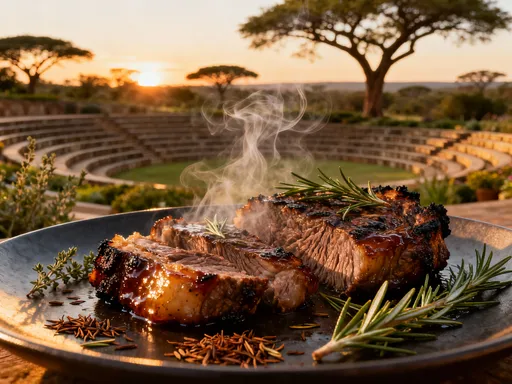
Sometimes the most memorable meals aren’t the ones you plan — they’re the ones that find you. On my third evening, I was wandering through the resort’s botanical gardens when I noticed a soft glow emanating from the amphitheater. A small sign read 'Tonight: Umthombo Tasting Experience — By Invitation Only.' Curious, I approached a staff member, who smiled and said, 'We’ve been expecting someone with your palate. There’s one seat left.' What followed was a six-course culinary journey that blurred the lines between tradition, innovation, and theater.
Umthombo, meaning 'source' or 'fountain' in Zulu, was a limited-run pop-up created by Sun City’s head chef in collaboration with local food historians and indigenous elders. The goal was to revive and reinterpret ancestral recipes using modern techniques and presentation. Seated on handwoven grass mats under a canopy of stars, we were served dishes that had been passed down for generations but rarely seen outside family kitchens. The first course was a warm amasi mousse with wild sorghum crisps and a drizzle of honey from the Mpumalanga highlands. Amasi, a fermented milk similar to yogurt, was transformed into a silky foam that dissolved on the tongue, leaving behind a pleasant tang.
The highlight was the third course: a slow-braised oxtail stew infused with mabele (millet) dumplings and a gravy thickened with ground peanuts. Traditionally a comfort food in many South African homes, this version was elevated with a reduction of tamarind and dried apricots, adding depth and a touch of sweetness. The meat fell off the bone, rich and deeply spiced with hints of cloves and cinnamon — flavors that spoke of ancient trade routes and cultural exchange. Each dish was introduced by the chef himself, who shared the story behind its origins and the elders who helped reconstruct the recipe.
What made the evening unforgettable wasn’t just the food, but the sense of exclusivity and discovery. There were only twelve guests, and photography was discouraged to preserve the intimacy. Instead, we were encouraged to engage — to ask questions, smell the spices, and even touch certain ingredients before eating. One course featured a spice bar where we blended our own versions of 'shisa nyama' seasoning, a mix used in backyard barbecues across the country. By the end, we weren’t just diners — we were participants in a living tradition. It was the kind of experience that doesn’t just satisfy hunger, but feeds the soul.
Beyond the Plate: How Sun City Elevates the Entire Dining Moment
In today’s travel landscape, great food is expected — but truly memorable dining goes beyond flavor. At Sun City, every meal is designed as a multi-sensory experience, where ambiance, service, and storytelling are just as important as the ingredients on the plate. Lighting is carefully calibrated: warm and intimate in the evenings, bright and inviting during brunch. Music is curated to match the mood — gentle marimba melodies at lunch, soulful jazz vocals at dinner. Even the tableware tells a story, with hand-thrown ceramics from local artisans and linen napkins dyed with natural pigments from indigenous plants.
Service is attentive without being intrusive. Waitstaff are trained not just in protocol, but in food knowledge. At The Mantis, my server could name the farm where the lamb was raised and describe the fermentation process used in the sour plum gel. At the Buccaneer Bay Grill, the bartender explained how the peri-peri sauce was aged for three weeks to develop its depth. This level of detail transforms a meal from consumption to connection. It’s clear that the team sees themselves not as servers, but as cultural ambassadors.
Interactive elements further deepen the experience. Weekly 'Meet the Chef' dinners allow guests to observe live cooking demonstrations and ask questions about techniques and ingredients. The 'Spice & Story' sessions, held in a shaded courtyard, invite visitors to smell, touch, and taste rare seasonings while learning about their historical and medicinal uses. Children are included too, with 'Junior Taster' menus and edible garden tours that teach them about where food comes from. These moments don’t just entertain — they educate and inspire, making dining a shared journey rather than a solitary indulgence.
Even the layout of the restaurants encourages engagement. At The Mantis, an open kitchen allows diners to watch the precision and artistry behind each plate. At the pop-up event, seating in a circle fostered conversation among strangers who became fast friends over shared dishes. Sun City understands that food is more than sustenance — it’s a catalyst for human connection. By designing spaces that invite presence, curiosity, and conversation, they turn meals into lasting memories.
Smart Choices: Navigating Specialty Dining Without Breaking the Bank
While Sun City’s culinary offerings are undeniably luxurious, enjoying them doesn’t require a limitless budget. With a bit of planning, even guests on a moderate budget can experience the best of the resort’s food scene. One of the most effective strategies is to take advantage of set menus and early dining specials. The Mantis, for example, offers a three-course 'Sunset Tasting Menu' at a significantly lower price than the full a la carte option. Served between 5:30 and 6:30 PM, it includes many of the same ingredients and techniques but in a more streamlined format.
Another smart move is to focus on lunch instead of dinner. The Buccaneer Bay Grill’s midday menu features smaller portions and lower prices, but the quality remains high. Their 'Lagoon Lunch Platter' — a shareable spread of grilled prawns, peri-peri chicken, roasted vegetables, and pap — is perfect for couples or small groups and costs less than a single main course at dinner. Similarly, the resort’s buffet brunch at the Palace Kitchen includes access to live cooking stations, artisanal cheeses, and a dedicated dessert bar, offering excellent value for the variety and quality.
Reservations are essential, especially for The Mantis and special events like the Umthombo pop-up. I recommend booking at least two weeks in advance, particularly during peak seasons like December and July. When making reservations, don’t hesitate to ask about dietary preferences or budget considerations — the staff is accustomed to accommodating a range of needs and often has insider tips on current promotions. Also, consider visiting during the shoulder seasons (April–May or September–October) when room rates are lower and dining availability is more flexible.
Cultural etiquette is another important consideration. While Sun City is welcoming to international guests, showing respect for local customs enhances the experience. For instance, it’s customary to accept a welcome drink upon arrival, even if just a small sip. At traditional-style meals, it’s polite to try a bit of everything offered. Tipping is appreciated but not mandatory; a 10–15% gratuity is standard for exceptional service. By approaching dining with curiosity and respect, guests not only enjoy better meals — they build meaningful connections with the people who prepare them.
Why This Matters: Specialty Dining as the Heart of Modern Travel
In an age where destinations often blur together, food has become one of the most powerful ways to truly know a place. Sun City exemplifies how specialty dining can transform a vacation from a series of sights into a story of taste, tradition, and belonging. Every meal I experienced wasn’t just about flavor — it was a lesson in history, ecology, and community. The kudu tartare spoke of conservation, the amasi mousse of ancestral knowledge, the peri-peri prawns of cultural fusion. These dishes didn’t just feed me; they taught me.
More than that, Sun City is redefining what African luxury means. It’s not about imported caviar or French chandeliers — though the resort has its share of glamour. True luxury, as demonstrated here, lies in authenticity, sustainability, and cultural pride. By centering indigenous ingredients, supporting local farmers, and honoring ancestral recipes, the resort sets a standard for responsible tourism that others would do well to follow. It proves that five-star experiences don’t have to come at the cost of identity.
For travelers, especially women in the 30–55 age group who often plan family trips and value meaningful experiences, Sun City offers something rare: indulgence with integrity. It’s a place where you can relax in comfort, savor extraordinary food, and return home with more than just souvenirs — you return with stories, recipes, and a deeper understanding of a culture. That’s the power of specialty dining done right.
So the next time you plan a getaway, ask yourself not just where you’ll go, but what you’ll taste. Because travel isn’t just about the places you see — it’s about the flavors you remember, the stories you carry, and the connections you make around a shared table. At Sun City, I didn’t just eat. I experienced. And that, more than anything, is what made it unforgettable.