What If Your Hobby Could Grow While You Sleep?
Have you ever wished your passion could thrive without taking over your day? I felt the same—until I discovered how online communities quietly transformed my spare moments into real progress. It’s not about grinding harder; it’s about connecting smarter. This is how a simple shift in how I engage online gave me more time, joy, and growth in what I love—without the burnout. It didn’t take a fancy camera or a full-time schedule. It took one small decision: to stop doing it all alone. And honestly? That changed everything.
The Moment I Realized My Hobby Was Stuck
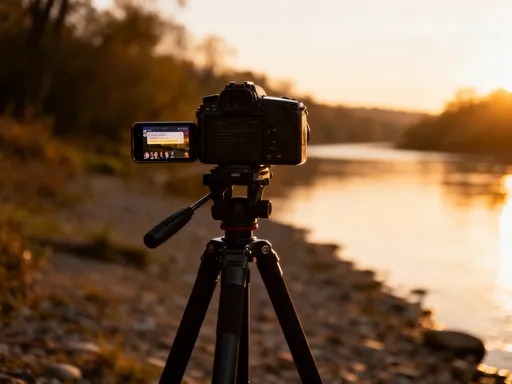
I’ve always loved photography. There’s something magical about catching the way light hits a window in the late afternoon, or how a child’s laugh looks frozen in time. But for years, my hobby felt like it was running in place. I’d go out, take photos, edit them late at night, and then—nothing. They’d sit in folders on my laptop, unseen, unshared. I wasn’t improving. I wasn’t inspired. I was just… doing the same thing over and over, hoping something would click.
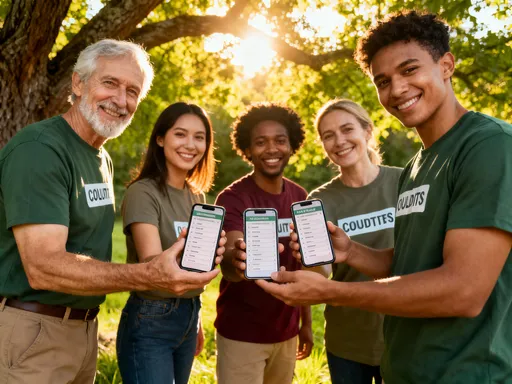
And then it hit me: I was treating my hobby like a solo mission. No one saw my work. No one gave feedback. I didn’t even know if I was on the right track. It wasn’t until a friend gently asked, “Have you ever shared these with anyone?” that I realized how isolated I’d become. She invited me to a small online group for local photographers—just a cozy corner of the internet where people posted their work, shared tips, and celebrated each other’s progress. No pressure. No judgment. Just love for the craft.
That tiny step cracked something open. For the first time, I wasn’t just taking photos—I was part of a conversation. I started seeing patterns in my work because others pointed them out. One person noticed I always shot in the same park. Another said my shadows were too harsh. It wasn’t criticism—it was care. And that made all the difference. I finally understood: the thing holding me back wasn’t time or talent. It was connection. Without it, even the most passionate hobbies can stall. But with it? They begin to breathe.
Finding the Right Community Changed My Daily Rhythm
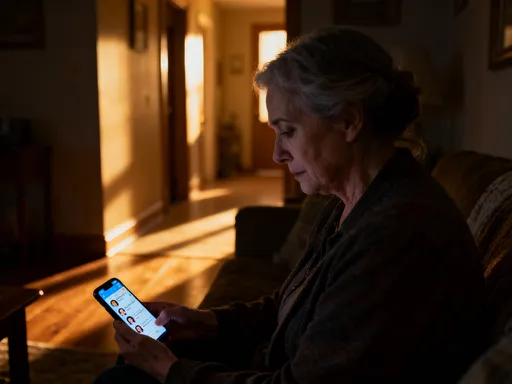
Before joining that group, my evenings looked the same. I’d finish dinner, put the kids to bed, and pick up my phone. Scrolling through endless feeds—videos, news, random posts—none of it mattered, but I couldn’t stop. It was like my brain was hungry for something, but I was feeding it junk. I felt drained, not refreshed. And then one night, instead of opening Instagram, I opened the photography forum. I didn’t post anything. I just looked around.
What surprised me was how different it felt. People weren’t showing off. They were learning. One member shared a blurry photo and asked, “What went wrong?” Another posted two versions of the same shot and asked which had better composition. These weren’t perfect images—they were honest ones. And that made them powerful.
I started visiting the same spaces regularly. I began recognizing usernames. I’d see someone’s progress from shaky first shots to confident portraits. I started replying to comments, then posting my own work. The change wasn’t overnight, but over weeks, I noticed my habits shifting. My phone wasn’t just a distraction anymore—it was a doorway. Instead of losing time, I was investing it. I wasn’t consuming content—I was creating with others. And that subtle shift made all the difference. My evenings didn’t feel empty anymore. They felt meaningful.
Technology didn’t fix my hobby. But the way I used it did. Choosing a few intentional spaces—places that felt safe, supportive, and real—helped me reclaim my time. It wasn’t about deleting social media. It was about redirecting my attention to communities that gave back what I put in.
How Small Interactions Sparked Big Growth
You’d think big breakthroughs come from big moments. A workshop. A mentor. A viral post. But for me, it was the tiny things that added up. One comment—just one—changed my entire approach. Someone wrote, “Have you tried shooting during golden hour at the river?” I hadn’t. I didn’t even know where the river was. But I looked it up, went there one evening, and took a photo that ended up being one of my favorites.
Then another member shared a five-second tip: how to adjust the white balance to make sunrise shots warmer. I tried it the next morning. The difference was subtle but real. My photos didn’t just look better—they felt more like what I’d seen in my mind. These weren’t grand lessons. They were little nudges, perfectly timed.
That’s when I realized: growth doesn’t always come from grinding. It comes from being open to small inputs. A suggestion. A question. A shared struggle. The online community wasn’t a classroom—it was more like a kitchen table conversation with friends who just happen to love the same thing you do. And because there were so many voices, I got a wider range of ideas than I ever would have found on my own.
One woman taught me how to use natural reflectors—like white walls or sidewalks—to soften shadows. A dad shared how he used his kids’ toys as props for still-life shots. These weren’t professional secrets. They were everyday hacks from real people living real lives. And because they were practical, I could use them immediately. That’s the beauty of a good online community: it turns knowledge into action, one small step at a time.
Turning Passive Scrolling into Active Creation
I used to spend hours scrolling without even realizing it. Ten minutes here, twenty there—gone. And at the end of the day, I couldn’t tell you what I’d seen or learned. It was digital noise. But once I started engaging in photography groups, I began to notice a shift. I wasn’t just watching anymore. I was doing.
I set a simple rule for myself: every time I opened the app, I had to do one thing. Share a photo. Ask a question. Comment on someone else’s post. That tiny intention changed everything. Instead of drifting, I was moving with purpose. And the more I participated, the more I wanted to create. It was like a feedback loop: sharing inspired feedback, which inspired new ideas, which led to new photos.
One night, I uploaded a photo I wasn’t sure about. I almost didn’t post it. But I did. And within minutes, someone said, “I love the mood here. Have you thought about cropping it tighter?” I tried it. They were right. The image felt stronger. That small interaction gave me the confidence to keep going. I wasn’t creating for likes. I was creating to learn, to grow, to connect.
This is where technology becomes more than a tool—it becomes a partner in creativity. When used with intention, it stops being a time-sucker and starts being a time-multiplier. You’re not just passing time. You’re building something. And the best part? You don’t have to do it all at once. Five minutes of thoughtful engagement can spark a whole new direction.
Building Confidence Through Shared Journeys
One of the most beautiful things about being in a supportive online community is realizing you’re not alone. I used to think everyone else had it figured out. Their photos looked perfect. Their gear seemed professional. But the more I read, the more I saw the truth: everyone struggles. Someone was learning focus. Another was trying to understand their camera settings. A mom shared how she only had ten minutes a day to shoot, between work and school runs.
When I saw others being honest about their challenges, I felt permission to be honest too. I started sharing my mistakes—overexposed shots, blurry kids, failed edits. And instead of judgment, I got support. “Happens to me all the time,” someone would say. Or, “Try lowering your shutter speed next time.” It wasn’t about being perfect. It was about being real.
And slowly, something shifted inside me. I stopped comparing my behind-the-scenes to everyone else’s highlight reel. I began to celebrate small wins—my first sharp night photo, my first printed image, my first time using manual mode without panic. The group celebrated with me. And that mutual encouragement became fuel. I didn’t need validation from strangers. I had something better: belonging.
Confidence didn’t come from mastering every setting. It came from knowing I was part of a journey—one where progress mattered more than perfection. And that emotional safety? That’s what kept me coming back. Not for fame. Not for followers. But for the quiet joy of growing alongside others who cared.
Making Time Without Adding Stress
I used to think I needed big blocks of time to make progress. A full Saturday. A weekend getaway. But life doesn’t work that way—not with laundry, meals, school events, and work. The real breakthrough came when I stopped waiting for free time and started using lost time.
Waiting for the coffee to brew? I’d open the group and reply to a post. Ten minutes before bed? I’d upload a draft or read a tip. Driving home from errands? I’d think about what I’d share next. These tiny moments added up. I wasn’t carving out time—I was weaving my hobby into the fabric of my day.
The community made it easy. Because I cared about the people, I wanted to show up. Because I got feedback, I wanted to keep improving. And because it felt light, not heavy, I never burned out. Progress wasn’t something I had to force. It happened naturally, like a plant growing in good soil.
Technology made this possible. A smartphone. A simple app. A few intentional clicks. But the real magic was in the mindset: I wasn’t just consuming content. I was contributing. And that shift—from passive to active—freed up mental space. I wasn’t juggling hobbies and responsibilities. I was blending them. My hobby didn’t take more time. It just took better time.
From Passion to Purpose: The Unexpected Gift
Months after joining that first online group, I did something I never thought I’d do: I curated a small exhibit at a local café. Twelve photos. All taken, edited, and inspired by conversations in the community. People came. They asked questions. They shared their own stories. One woman said a photo of a child blowing dandelions reminded her of her daughter. That moment—real, human, connected—was worth more than any praise.
But the real gift wasn’t the exhibit. It was how I felt. Calmer. Clearer. More like myself. Photography didn’t just become a skill. It became a source of joy, a way to see the world more deeply. And it happened not because I worked harder, but because I connected smarter.
Online communities, when chosen with care, don’t pull us away from life. They pull us deeper into it. They remind us that growth doesn’t have to be lonely. That progress can be gentle. That passion, nurtured in the right environment, can flourish—even while we sleep.
Because here’s the truth: your hobby doesn’t need more of your time. It needs more of your connection. And when you find the right people, the right space, the right rhythm, something beautiful happens. You don’t just grow your skill. You grow your joy. You don’t just take better photos. You start living a more meaningful life—one small, shared moment at a time.