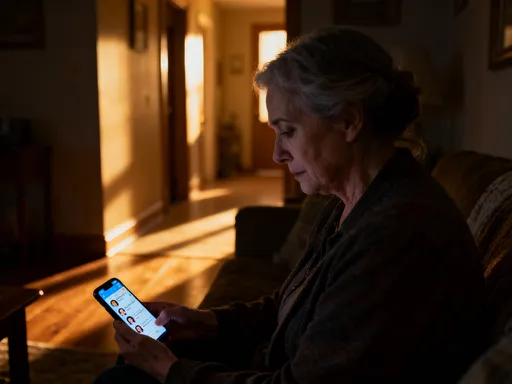
We kept saying 'Let’s split it later'—this app finally made sharing expenses feel effortless
Money arguments with friends used to stress me out—forgetting who paid, uneven splits, awkward reminders. Then we tried a spending tracker designed for groups. It didn’t just log bills; it changed how we communicate about money. No more guilt, no more guessing. Just clear, real-time updates and a little more trust. If you’ve ever avoided bringing up cash between friends, this is for you. I remember the last time I bit my tongue after a weekend getaway because someone hadn’t repaid me for the rental car. I didn’t want to seem nagging, but the silence built up. We’ve all been there—smiling through dinners we overpaid for, pretending it’s fine when it’s not. That’s why this small tech shift made such a big difference. It wasn’t about chasing money. It was about protecting the joy of being together.
The Awkward Truth About Friend Finances
Let’s be honest—talking about money with friends is uncomfortable. It shouldn’t be, but it is. We laugh about it, call it the last taboo, but deep down, it’s real. I used to dread the end of group dinners. Someone would wave their card, say “I’ll cover it,” and the rest of us would nod gratefully. Then, over the next few days, a quiet tension would creep in. Who owes what? Did Sarah pay me back for the tickets? Did I remember to send Jake the Uber fare? These little questions started stacking up like unpaid parking tickets in my mind.
What made it worse was that no one wanted to bring it up. We all assumed someone else was keeping track—until we realized no one was. The “let’s split it later” promise became a ghost. Texts went unanswered. Vague plans to “get you next time” never materialized. And the longer it went on, the harder it felt to ask. I once waited three months to mention a $45 charge because I didn’t want to seem petty. But here’s the thing—avoiding the conversation didn’t protect the friendship. It chipped away at it. Resentment grew in silence. I started hesitating before saying yes to plans. That’s not how friendships should feel.
It wasn’t about the money, really. It was about fairness. It was about feeling seen and respected. When small things go unbalanced, they start to symbolize bigger things—like being taken for granted. I realized we weren’t bad friends. We were just missing a simple tool to keep things fair. We didn’t need suspicion or spreadsheets. We needed something light, easy, and automatic—something that handled the math so we could focus on the laughter.
How a Simple App Became Our Group’s Financial Glue
The turning point came during a group trip to the mountains. We were planning for weeks—booking cabins, splitting groceries, organizing carpooling. Someone mentioned a money-tracking app they’d used with their family. I was skeptical at first. Was this going to make everything feel cold and transactional? But we decided to give it a try, mostly to keep from losing receipts in a backpack.
Here’s how it worked: one person paid for the groceries, opened the app, snapped a photo of the receipt, entered the total, and tagged everyone in the group. The app instantly calculated each person’s share and sent a polite notification. No drama. No text chains. Just a little “You owe $18.50 for groceries” that felt more like a reminder than a demand. And when someone paid, they marked it as settled with one tap.
What surprised me was how quickly it became normal. We didn’t have to talk about money anymore—we just used the app. It became our neutral referee, the quiet helper in the background. There were no accusations, no awkward “hey, did you forget?” moments. The app did the heavy lifting, and we got to enjoy the trip without financial tension. When we returned, no one was left wondering who owed what. Everything was clear, settled, and stress-free.
More than that, it changed the energy. We started trusting each other more, not less. Because we knew the system was fair, we didn’t second-guess intentions. If someone couldn’t pay right away, they could mark it as “will pay later,” and no one judged. The app didn’t erase kindness—it protected it. It made generosity possible without the burden of memory.
From Trip Planning to Daily Coffee Runs
At first, we only used the app for trips. But soon, someone suggested using it for our weekly brunch group. “Why not?” we thought. One Saturday, Maria paid for the table’s coffee order and logged it. Within minutes, we all got a small alert. Two of us paid instantly through the app’s built-in transfer feature. The others said they’d settle up later—and they did.
That small moment felt like a shift. We weren’t just tracking big expenses anymore. We were using it for everyday things—concert tickets, shared rides, even a bulk order of dog food we split for our pets. The app became part of our rhythm, like texting or sharing photos. It wasn’t something we had to remember to use. It became automatic, like breathing.
The biggest change? We stopped keeping mental tabs. I used to pride myself on remembering who paid for what, but it was exhausting. Now, I don’t have to. The app remembers for me. I no longer feel guilty if I forget to ask for money, and I don’t feel judged if I’m slow to repay. There’s no shame, no pressure—just clarity. And that clarity made our hangouts lighter, more present, more joyful.
One friend joked, “It’s like we gave our friendship a shared bank account—but without the drama.” And honestly, that’s not far off. We weren’t managing finances like a business. We were just making sure no one carried the weight alone. And in doing that, we ended up protecting the ease of being together.
How Transparency Actually Strengthened Our Friendships
I’ll admit—I was worried the app might make us feel too transactional. Like every coffee or pizza slice had to be perfectly balanced. But the opposite happened. Because we had full visibility, we could actually be more flexible. When one of us went through a tight month, the rest of us quietly adjusted. We didn’t need to make a big deal about it. The app showed the balance, but we handled it with grace.
Transparency didn’t kill generosity—it made room for it. Knowing that everyone could see the numbers meant we didn’t have to prove we were fair. We just *were*. And that freedom allowed us to be kinder. One friend paid for an entire dinner “just because” and didn’t log it. When we asked why, she said, “Because I can, and I want to.” That moment meant more because we all knew she wasn’t being taken advantage of. The system protected her generosity.
We also started talking about money more openly—not just with the app, but in real life. We shared tips about saving, talked about budgeting, even celebrated small wins like paying off a shared bill. Money stopped being a source of tension and started feeling like a shared language. We weren’t just splitting costs. We were learning to support each other in smarter, more intentional ways.
The emotional payoff was real. I felt lighter, less burdened by silent calculations. I stopped avoiding plans with certain friends out of fear of being overcharged. And I noticed we all showed up more—emotionally, financially, energetically. The app didn’t fix our friendships. It removed a barrier that was quietly holding us back.
Setting It Up Without Awkwardness
I know what you’re thinking: “How do I bring this up without sounding like I don’t trust my friends?” It’s a valid concern. We were nervous too. The key was in how we framed it. We didn’t say, “We need this because people keep forgetting to pay.” We said, “Let’s try this app for the trip—it’ll save us time and stress.” We made it about convenience, not control.
One of us took the lead and created a group in the app before the trip. She sent a quick message: “Hey, I set up a little expense tracker for our cabin weekend—just to keep things easy. No pressure, but feel free to log anything you pay for!” She kept it light, optional, and practical. And because she did it first, the rest of us followed without hesitation.
We also chose an app with a clean, simple design—nothing too flashy or finance-looking. We wanted it to feel friendly, not like a bank statement. The notifications were gentle, not pushy. And we agreed to check it once a week, not constantly. That small boundary kept it from feeling obsessive.
The real turning point? When people saw how smooth it felt. After the first trip, someone said, “Why don’t we keep this group open for other things?” And just like that, it became part of our routine. No big announcement. No awkward meeting. Just a quiet shift that made life easier for all of us.
Small Habits, Big Impact on Daily Organization
Here’s something I didn’t expect—the app changed how I manage my own money too. Before, I treated shared expenses as a separate category. I’d pay for group things and then forget about them until someone reminded me. But now, I see all my shared costs in one place. I can track how much I spend on friends each month. It’s not about cutting back—it’s about awareness.
That awareness helped me budget better. I started planning ahead for group events, setting aside a little each week. I became more mindful of my spending, not because I was stressed, but because I wanted to stay in rhythm with my friends. I didn’t want to be the one always marking things as “will pay later.” I wanted to show up as someone who could contribute freely.
It sparked a ripple effect in other areas too. I started using budgeting tools more regularly. I paid attention to my subscriptions, planned meals better, and even started a small emergency fund. The app didn’t teach me these things directly, but it created a mindset shift. It showed me that small systems lead to big results. When I stopped losing energy on forgotten debts, I had more space to focus on building better habits.
And honestly, it made me feel more in control. Not in a rigid way, but in a peaceful, grounded way. I wasn’t chasing money or people. I was living with intention. That sense of calm spilled over into other parts of my life—my work, my family time, my self-care. The app was just a tool, but it opened a door to a more organized, less stressed version of myself.
Why This Isn’t Just About Saving Money—It’s About Saving Energy
The real win wasn’t the $20 I got back from Mark for the concert tickets. It wasn’t even the $100 I didn’t have to chase after from our vacation. The real win was the mental space we reclaimed. The quiet relief of not having to remember who paid for what. The freedom to enjoy a meal without silently calculating your share. The joy of knowing you’re on equal footing with your friends.
We saved more than money—we saved emotional energy. We stopped carrying the weight of unspoken debts. We stopped feeling guilty for asking, and we stopped feeling judged for needing time to pay. That energy? We redirected it into laughter, deeper conversations, and more spontaneous plans. We said yes more often. We showed up more fully.
Technology, at its best, doesn’t replace human connection. It removes the friction so the connection can thrive. This app didn’t make us colder or more calculating. It made us warmer, more generous, and more present. It gave us the gift of peace of mind—the kind that lets friendships breathe.
So if you’ve ever held back from a trip, a dinner, or a fun night out because of money stress, I get it. And I want you to know—there’s a simpler way. It’s not about perfection. It’s not about tracking every penny. It’s about creating a little system that lets you focus on what really matters: the people you love, the moments you share, and the joy of being together—without the silent math in the back of your mind. Sometimes, the most powerful tech isn’t the flashiest gadget. It’s the quiet tool that helps you live with a little more ease, a little more trust, and a lot more heart.