More than lists: How task apps helped me organize community events without the chaos
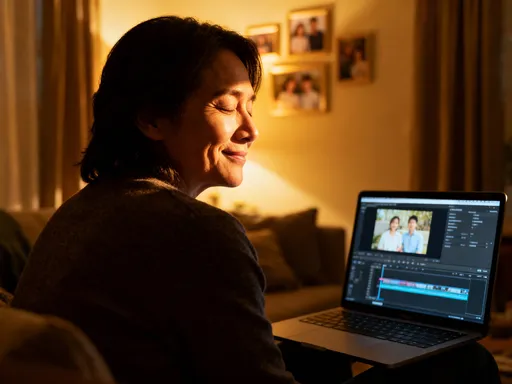
Organizing a school bake sale used to leave me stressed, juggling sticky notes and last-minute calls. Sound familiar? I felt overwhelmed too—until I discovered how simple task management apps could transform the way I coordinate with others. It’s not about fancy tech, but real help: fewer missed deadlines, clearer plans, and more time to enjoy the event. This is how I stopped dreading group projects—and how you can too. What if I told you that the secret to calm, successful community events isn’t superhuman energy or endless free time, but a quiet little app on your phone? It sounds too good to be true, but I’ve lived it. And today, I want to share exactly how something so small made such a big difference in my life—and could in yours too.
The Overwhelm of Organizing Without a System
Let’s be honest—planning anything with a group of people can feel like herding cats. I remember the spring fundraiser for my daughter’s elementary school. It was supposed to be fun: cupcakes, lemonade, a little craft table. But behind the scenes? Pure chaos. I had sticky notes stuck to my fridge, my planner was full of scribbled reminders, and my phone was blowing up with texts like, “Wait, who’s bringing the tables?” and “Did we get the permit for the parking lot?”
Two days before the event, one of our key volunteers called to say she had double-booked herself. Another showed up with paper plates but no napkins—because “no one told me.” I spent the morning of the event running to the store, stressed to the point of tears, while the kids waited outside with nothing to do. When it was finally over, I didn’t feel proud. I felt drained. And worse, I wasn’t sure I wanted to do it again.
That experience wasn’t just about forgetting napkins. It was about trust. When people don’t know what’s expected of them, or when tasks fall through, it creates frustration. Enthusiasm fades. People start thinking, “Why bother?” I realized then that disorganization doesn’t just make events harder—it weakens the very thing we’re trying to build: community. The emotional toll is real. You pour your heart into something, and when it feels messy or unappreciated, it hurts. I wanted to make a difference, but I didn’t want to burn out doing it.
Discovering Task Apps as a Real-Life Tool, Not Just for Work
I first heard about task apps from my sister, who works in marketing. She kept talking about “to-do lists in the cloud” and “assigning tasks.” To me, it sounded like corporate jargon—something for people in suits, not moms organizing book swaps. But after the bake sale disaster, I was desperate. I thought, “Maybe there’s a better way.” So I downloaded a simple task app, just to try.
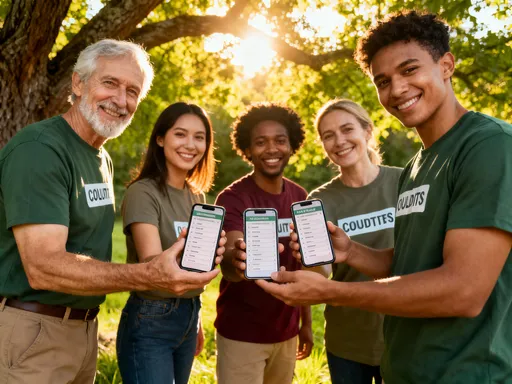
The first time I used it was for a small neighborhood clean-up day. I didn’t expect much. But here’s what changed: instead of a group text with 20 people replying at once, I created a shared list. I broke the work into small, clear steps: “Pick up gloves and trash bags from city office,” “Assign block captains,” “Post event reminder on Nextdoor.” I could see who said they’d do what. No more guessing. No more double-booking.
What surprised me most was how calming it felt. Seeing everything laid out—what needed to be done, who was doing it, when it was due—lifted a weight off my shoulders. It wasn’t magic. It was clarity. And that clarity made me more confident. I wasn’t managing chaos anymore. I was guiding a plan. The clean-up day went smoothly. People showed up on time. Supplies were ready. And afterward, a neighbor said, “That was so easy! How did you keep track of everything?” I smiled and said, “Let me show you.”
Choosing the Right App for Shared, Simple Planning
Not all apps are created equal—especially when you’re working with a group of volunteers who may not be tech-savvy. I tried a few at first, and some were too complicated. One had so many features I felt like I needed a manual just to assign a task. Another didn’t let people update their progress easily. I quickly learned: the best app isn’t the fanciest one. It’s the one everyone can actually use.
What mattered most was simplicity and access. Could my 68-year-old neighbor join without help? Could someone update their task from their phone while walking to the store? Could we all see the same list in real time? After testing a few, I landed on Google Tasks. It’s free, it works on any device, and it syncs with Gmail—something most people already use. Plus, it’s easy to share a list with a simple link. No passwords, no complicated setup.
The key features I looked for were shared checklists, due dates, and the ability to add comments. For example, when planning a fall festival, I created a list called “Festival Prep” and added tasks like “Confirm DJ availability” and “Order folding chairs.” I assigned each to someone and set a due date. When the person confirmed the DJ, they just checked the box. If they had a question, they could add a note right there: “Do we need a power outlet?” No more lost texts. No more repeating information. Everyone stayed in the loop, quietly and clearly.
Building a Team Workflow That Actually Works
Once I found the right app, the next step was using it well. I learned that a shared list isn’t just a to-do list—it’s a communication tool. For our community garden launch, I set up a full task board. I didn’t just say “Get soil.” I broke it down: “Call local nursery for quote,” “Decide on organic vs. regular,” “Schedule delivery date,” and “Confirm volunteer to unload.” Each task had a name, a due date, and a status: “Not started,” “In progress,” or “Done.”
One of the most powerful features? Photo notes. When we were setting up the garden beds, someone wasn’t sure where the compost bin should go. Instead of calling me, they snapped a photo of the space and added it to the task: “Is this the spot?” I replied with a quick note and a checkmark. It felt small, but it built trust. People knew their questions were seen, and I didn’t have to be “on” all the time.
Here’s a real moment that showed how it changed our dynamic. One evening, I opened the app and saw that a task had been updated: “Sign for tool delivery – DONE.” A comment was attached: “I saw your update—thanks for moving the sign! We’re all set.” That little message did more than inform me. It made me feel seen. It showed that we were a team, not just a list of names. Accountability grew naturally, not because I was chasing people, but because the system made it easy to show up and contribute.
Keeping Momentum with Gentle Reminders and Small Wins
One of the quietest superpowers of task apps? Automated reminders. I used to send nagging texts: “Just checking in about the flyers…” or “Did you get the permits?” Now, the app sends a gentle nudge the day before a due date. It’s not me being pushy—it’s the plan doing its job. And honestly, people respond better. They don’t feel called out. They just see a friendly reminder and take action.
But here’s something even more important: the joy of checking off a task. I started celebrating small wins in our group chat. When someone marked “Permits submitted!” as done, I’d reply with a simple “Hooray! One big step closer!” It sounds small, but it kept energy high. People felt appreciated. They saw progress. And that made them want to keep going.
I also learned not to let the app replace human connection. I still make time for quick check-in calls. I still send a “Thank you” text. The app doesn’t replace kindness—it protects it. By handling the logistics quietly, it frees up my mental space to be more present, more encouraging, more like the leader I want to be. I’m not managing stress. I’m building something meaningful, one checked box at a time.
Handling Surprises and Last-Minute Changes Gracefully
No matter how well you plan, life happens. Last spring, we had a picnic planned for Saturday. Everything was ready—permits, food, games. Then, Friday night, the weather app showed a 90% chance of thunderstorms. My heart sank. I could already hear the cancellations piling up.
But this time, I didn’t panic. I opened our task list and made a new section: “Rain Plan.” I quickly added tasks: “Confirm indoor space at community center,” “Update setup team,” “Change event time to 1 PM,” and “Send new details to all families.” I assigned each to a volunteer and sent a group message: “Plan A is wet, but Plan B is ready! Check the list for your role.”
Within hours, the indoor space was confirmed. The setup team shifted their schedule. And families got a clear update—no confusion, no chaos. The picnic moved inside, and it was just as joyful. In fact, one mom said, “I love how calm everything felt, even with the change.” That moment taught me something powerful: a good system doesn’t prevent surprises. It helps you handle them with grace. When your plan lives in one shared space, you can adapt fast—without losing control.
The Bigger Win: Stronger Communities Through Smarter Coordination
Looking back, I realize that task apps didn’t just make my events easier. They made them better. Not because of the technology, but because of what it allowed us to focus on: each other. When the details are handled, we have more room for connection, creativity, and care. We’re not stressed about who forgot the chairs. We’re laughing over cupcakes and watching kids play. That’s the real win.
And something unexpected happened: more people started volunteering to lead. When they saw how smooth things could be, they thought, “Maybe I could do that too.” One woman told me, “I always wanted to organize a holiday toy drive, but I was scared it would fall apart. Now I think I can.” That’s when it hit me: good tools don’t replace passion. They protect it. They give us the confidence to step up, to try, to lead without fear of failure.
These apps don’t add more to our plates. They help us carry what’s already there—with less strain and more joy. They help us show up as our best selves: organized, reliable, and full of heart. So if you’ve ever felt overwhelmed by a group project, I want to invite you to try something small this week. Pick one event—big or small—and create a shared task list. Invite one or two people to join. See how it feels to have everything in one place. You might be surprised at how much lighter the load feels. And who knows? That little list might just be the start of something beautiful.