What If Scanning Everything Put Your Data at Risk Without You Knowing?
Imagine snapping a quick photo of a receipt, a business card, or a document—just to save time. We do it every day. But what if that simple habit is quietly exposing your personal information? In a world where scanning feels effortless, we rarely stop to ask: Is my data truly safe? Let’s talk about the hidden side of convenience. Because behind that tiny camera click could be a trail of sensitive details—names, addresses, account numbers—floating in places you didn’t know existed. And the truth is, most of us have no idea where our scanned data really goes.
The Everyday Magic of Scanning – And Its Hidden Cost
We’ve all been there—standing in the kitchen with a messy stack of papers: medical bills, school forms, insurance documents, maybe even your passport while booking a family trip. Instead of filing them away or losing them in a drawer, you pull out your phone and scan. One tap, and it’s saved. Clean. Organized. Done. It feels like magic. And honestly, it kind of is. But like any magic trick, there’s something happening behind the curtain that we don’t always see.
Scanning has become as routine as texting or checking email. We scan restaurant menus when we sit down to dinner. We scan boarding passes at the airport. We scan kids’ permission slips and save them in folders labeled “School 2024.” It’s fast, it’s efficient, and it keeps our lives moving. But here’s the question we don’t ask enough: What happens to that scan after we hit save?
Is it stored only on your phone? Or is it quietly uploaded to a server somewhere across the world? Could someone else—maybe a developer, a hacker, or even an algorithm—be reading the same document you just scanned? These aren’t paranoid thoughts. They’re real concerns in a digital world where convenience often comes with invisible trade-offs. And the scariest part? Most of us never read the fine print. We just tap “accept” and move on, trusting that our data is safe because the app looks professional or has a five-star rating.
But trust isn’t the same as security. And when it comes to personal information—your child’s birthdate, your Social Security number, your doctor’s notes—trust alone isn’t enough. We need to know. We need to understand. Because the cost of convenience isn’t always measured in money. Sometimes, it’s measured in privacy. And once that’s gone, it’s nearly impossible to get back.
How Scanning Apps Work Behind the Scenes
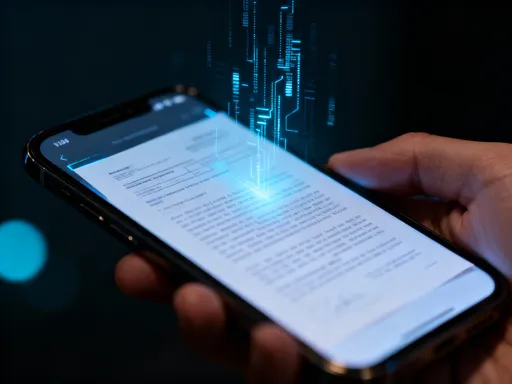
Let’s take a peek under the hood. When you use a scanning app, it’s doing more than just taking a photo. It’s using smart technology to turn that image into something useful—like editable text or a searchable file. This is called Optical Character Recognition, or OCR. Think of it like a digital reader that can “see” the words on a page, even if it’s just a picture. That’s how your scanned receipt turns into a list of items you can search later, or how your business card becomes a contact in your phone with just one tap.
But here’s where it gets tricky. Many of these apps don’t do the reading on your phone. Instead, they send your image to a remote server—somewhere in the cloud—where powerful computers process it. That means your document, with all its personal details, leaves your device and travels across the internet. Now, you might be thinking, “Well, it’s encrypted, right?” And some apps do encrypt the data during transit. But what happens after it arrives? Is it stored in plain text? Is it kept forever? Is it analyzed for advertising? These are the questions most users never get to answer.
And it’s not just about storage. Some apps use your scans to improve their AI models. That sounds harmless, maybe even helpful—until you realize that “improving AI” can mean your medical records or your child’s report card are being used to train machines you’ll never see or control. You didn’t sign up for that. You just wanted to save a document.
The reality is, many scanning apps treat your data as a resource—not just for you, but for the company behind the app. And while not all of them are malicious, the system is built in a way that prioritizes speed and functionality over privacy. That doesn’t mean you should stop scanning. But it does mean you should know what’s really happening when you tap that button.
The Myth of “Secure by Default”
You’ve seen the claims: “Military-grade encryption.” “Private by design.” “Your data, your control.” These phrases are everywhere in app descriptions, and they sound reassuring. But here’s the hard truth—marketing language isn’t the same as real protection. Just because an app says it’s secure doesn’t mean your data is truly safe.
Take encryption, for example. Many apps only encrypt your data while it’s moving from your phone to their server. That’s called “in transit” encryption. But once it arrives, it might be stored in a way that’s accessible to employees, hackers, or automated systems. And if the company keeps backups—or sells anonymized data to third parties—your information could be floating around long after you’ve deleted the scan.
And then there’s the issue of free apps. We love free tools, don’t we? No cost, full features, instant access. But remember: if you’re not paying for the product, you might be the product. Free scanning apps often make money by analyzing your data, showing you targeted ads, or sharing insights with partners. That “anonymous” usage data? It might not be as anonymous as you think. Patterns in your scans—like frequent medical visits or travel plans—can reveal a lot about your life, even without your name attached.
Think about the last time you scanned a doctor’s note or a school form with your child’s name and ID number. Did you consider who else might see it? Did the app ask for your permission to store or process that data beyond the scan? Most don’t. They assume consent by default. And that’s the problem—security shouldn’t be something we have to hunt for in a 20-page privacy policy. It should be built in, transparent, and easy to understand. Real security means knowing exactly where your data goes, how long it stays, and who can access it. Anything less is just a promise—and promises can be broken.
Real-Life Risks: When Convenience Becomes a Breach
Let’s make this personal. Imagine you scan a utility bill to file an insurance claim. You upload it, submit the form, and forget about it. Months later, you get a call. The person on the other end knows your account number, your address, even the amount you owe. They sound official. They might even have your name right. You feel a chill. How did they get that information?
It might not be a coincidence. Data breaches often start small. A single scan, uploaded to a server with weak security, accessed by someone who shouldn’t have permission. It doesn’t take a Hollywood-style hacker to cause real harm. Sometimes, it’s just a misconfigured database or an employee who shouldn’t have access. And once your data is out, it can be used in ways you never imagined—phishing scams, identity theft, even fraudulent accounts opened in your name.
Now imagine this happening with your child’s school documents. You scanned their immunization records for summer camp. That file, with their full name, birthdate, and school name, ends up in a data leak. Could someone use that to impersonate you? To access services? The risk is real, and it’s growing. Family privacy isn’t just about locking your front door. It’s about protecting the digital paper trail you leave every day.
And it’s not just about criminals. Some companies collect and store data for years, long after you’ve stopped using their app. That old scanning tool you used in 2020? It might still have copies of your passport, tax forms, or medical records. If that company gets acquired—or goes out of business—what happens to your data? Is it deleted? Sold? Lost in a server somewhere?
We’re not saying this to scare you. We’re saying it to wake you up. Because awareness is the first step to protection. You don’t need to live in fear of technology. But you do need to respect it. And that means understanding that every scan carries a responsibility—a choice about what you’re willing to share, and with whom.
Choosing Apps That Respect Your Privacy
Here’s the good news: not all scanning apps are the same. Some are built with privacy as a core value, not an afterthought. The key is knowing what to look for. Think of it like reading a food label. You wouldn’t buy a snack full of hidden sugars just because the package looks nice. The same should go for apps.
First, look for apps that offer on-device processing. This means the OCR—the text recognition—happens right on your phone, not in the cloud. Your data never leaves your device. That’s a huge win for privacy. You get all the benefits of scanning without the risk of uploading sensitive files.
Second, check the privacy policy. Yes, it’s boring. But look for clear language about data retention. Does the app delete your scans after a certain time? Does it store them only locally? Does it share data with third parties? If the answers aren’t clear, that’s a red flag. A trustworthy app should make this information easy to find and understand.
Third, pay attention to permissions. Does the app need access to your contacts, location, or microphone? If it’s just a scanner, it probably doesn’t. Extra permissions are often a sign that the app is collecting more than it needs. And finally, consider paying for the app. Yes, it might cost a few dollars. But a paid app is more likely to respect your privacy because its business model isn’t based on selling your data.
There are real, reputable scanning tools out there that prioritize your security. They might not have flashy ads or millions of downloads, but they offer something more valuable: peace of mind. And when it comes to your family’s private information, isn’t that worth a little extra effort?
Simple Habits to Stay Safe Without Slowing Down
You don’t have to give up scanning to stay safe. In fact, you can keep all the speed and convenience while adding a layer of protection. It’s about building small, smart habits—like locking your car or setting a timer when you bake. These tiny actions add up to big security.
First, disable cloud sync if you don’t need it. Many scanning apps automatically back up your files to the cloud. That’s helpful—until it’s not. If you’re scanning something sensitive, turn off syncing before you start. Scan, save locally, and then turn it back off. It takes two seconds, but it keeps your data on your phone where you control it.
Second, delete scans when you’re done. Just like you wouldn’t leave a copy of your credit card statement on a café table, don’t leave old scans sitting in your phone. Set a habit: after you’ve used a scan, delete it. Or better yet, use a secure folder with a passcode for anything you need to keep.
Third, use strong passwords and two-factor authentication on your devices and accounts. This might seem obvious, but it’s the foundation of digital safety. If someone gets into your phone or email, they could access all your scans. A strong password is your first line of defense.
And finally, review app permissions regularly. Go into your phone settings once a month and check which apps have access to what. Revoke anything that doesn’t make sense. You’d be surprised how many apps collect data they don’t need—just because you didn’t say no.
These aren’t extreme measures. They’re simple, practical steps that take minutes but protect you for years. Digital hygiene isn’t about being perfect. It’s about being aware. And when you make these habits part of your routine, scanning becomes not just fast—but truly safe.
Scanning Smarter: A New Kind of Peace of Mind
The goal isn’t to stop using technology. It’s to use it with confidence. Scanning is too useful to give up—it helps us stay organized, save time, and keep our families running smoothly. But real convenience isn’t just about speed. It’s about trust. It’s about knowing that when you tap that button, your data stays where it should—under your control.
When you understand how scanning works, what to look for in an app, and how to protect yourself with simple habits, you’re no longer just a user. You’re in charge. You’re making informed choices. And that changes everything.
Think about it: the documents you scan aren’t just paper. They’re pieces of your life—your health, your finances, your family’s future. They deserve more than a quick tap and a hope for the best. They deserve attention. They deserve protection.
And the beautiful part? You don’t have to choose between convenience and security. You can have both. By picking the right tools, asking the right questions, and building smart habits, you create a digital life that works for you—not against you. That’s not just tech. That’s peace of mind. And isn’t that what we all want? To move through our days with a little more ease, a little more control, and a lot more confidence that what matters most is safe. So next time you reach for your phone to scan something, pause for just a second. Ask yourself: Am I doing this the smart way? Because now, you know how to do it right.